 Photo Courtesy: nenow
Aizawl: Researchers have formally identified two new amphibian species in Mizoram, shedding light on the region's hidden ecological wealth. The findings, published in separate journals this September, emphasize that northeastern India's amphibian diversity remains largely under-recorded.
A team of scientists described a new montane toad, Duttaphrynus phawngpui, in the journal Taprobanica on September 13, 2026. Found in Phawngpui National Park, also known as Blue Mountain, the toad resides at elevations of approximately 2,144 metres. The specimens occupied leaf litter within a humid, shrub-heavy forest featuring bamboo patches. This species measures between 47.72 and 56.26 mm and displays a pale stripe along its back.
Genetic analysis confirmed the toad belongs to the Duttaphrynus stuarti group but represents a distinct lineage. Experts warn that high-elevation habitats like Phawngpui act as isolated sky islands. These areas are fragile. Researchers noted: “The discovery is significant not only because it adds a new species to the region's biodiversity record, but also because it highlights how little explored Mizoram's high-elevation and forest habitats remain.” Because they have only found a limited number of specimens, the conservation status of this toad remains unknown.
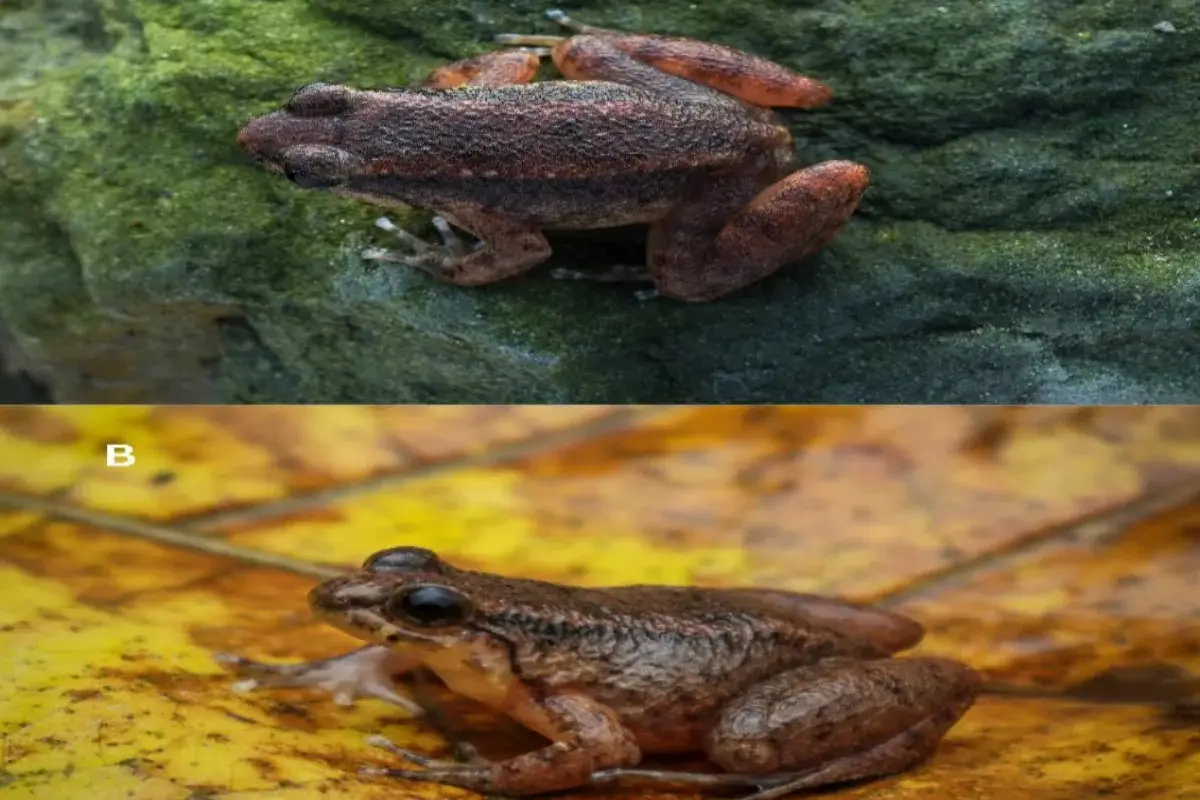
Meanwhile, a new frog species, Ingerana aizawl, was described on September 14 in the journal Zootaxa. Found along the Hratdawng Stream on the Mizoram University campus near Aizawl, this frog resolves years of taxonomic confusion. Populations here were previously misidentified as Ingerana borealis. The research team included Hmar Tlawngte Lalremsanga, Manmath Bharali, Malsawm Dawngliana, Mara Duasa Hlychho, Malsawmtluanga, Rupankar Bhattacharjee, Arup Kumar Hazarika, Nilutpal Das, and Jayaditya Purkayastha.
The frog is small and stout, with adult males measuring 22 to 25.5 mm. It frequents wet rocks near streams at night, particularly between May and July. Its call lasts about 1.42 seconds. Scientists believe the discovery of Ingerana aizawl necessitates a fresh conservation assessment, as it was previously lumped into a species classified as Least Concern by the IUCN. Further surveys are essential to map the full range and evolutionary history of these unique Mizoram populations.







Comments