 Photo Courtesy: nenow
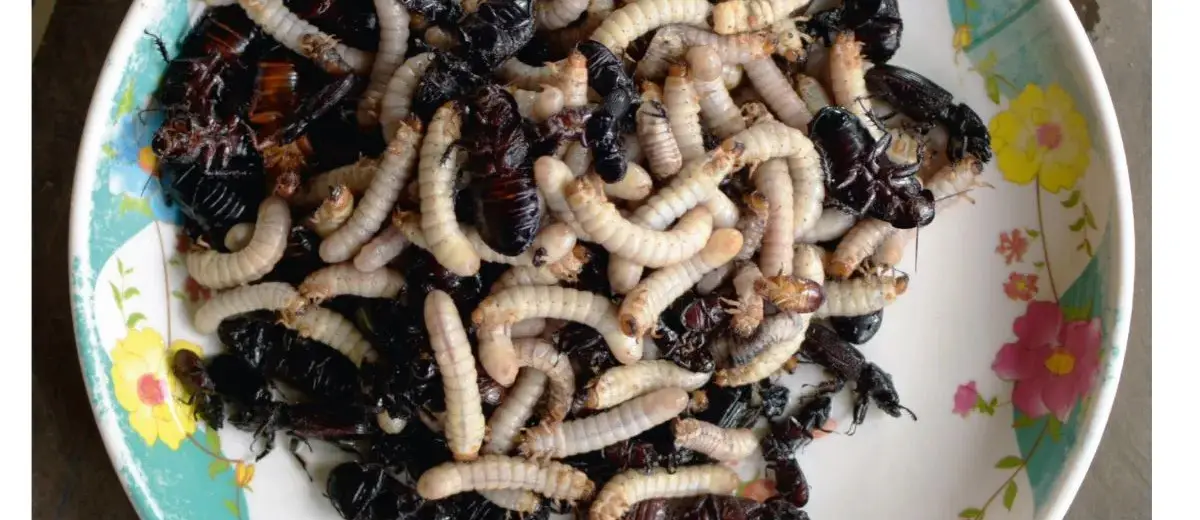
Aizawl: Indigenous communities in Northeast India rely on 75 species of beetles for food, but their survival is now in question. A study published in npj Entomology details how deforestation and commercial demand threaten these traditional protein sources. Researchers identified 24 species as edible for the first time globally and five others as new food sources in India. The work involved 162 participants from nine indigenous groups across Arunachal Pradesh, Manipur, Mizoram, and Nagaland.
Protein levels vary wildly between species. The coconut rhinoceros beetle and bamboo weevils contain high protein concentrations, reaching 61 percent of dry weight. Aquatic beetles offer significantly less. "The researchers' findings caution against treating all edible insects as having the same nutritional composition," the report states. These insects are gathered from forests, bamboo clusters, and paddy fields, then roasted, boiled, or fried.
The Angami community in Nagaland eats 31 different beetle species, the most of any group surveyed. The Nyishi in Arunachal Pradesh follow with 27 species. Beyond diet, these insects serve medicinal and cultural roles. The Mao community in Manipur uses beetle larvae broths to treat coughs. In Nagaland, jewel beetles become jewelry for festivals. Some villages even enforce taboos, barring children from eating adult beetles to avoid neck ailments.
Trouble is brewing in the woods. Roughly 79 percent of harvesters claim wood-boring beetle numbers have dropped over the last decade. Most blame habitat loss and aggressive commercial harvesting. Harvesters often split stumps to find larvae, which can sell for Rs 50 each in Kohima markets. While the study suggests these beetles could serve as a sustainable alternative to livestock, the authors urge immediate action. They advocate for habitat protection, sustainable collection methods, and closer work with indigenous groups to manage these resources before they disappear.







Comments