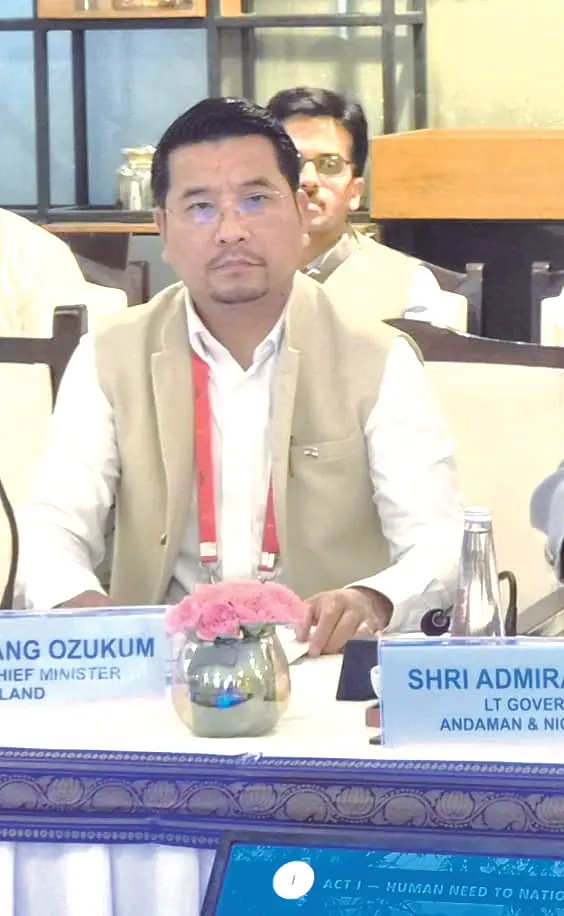
 Photo Courtesy: nagalandpost
Kohima: Nagaland Water Resources Advisor Tongpang Ozukum pressed the Ministry of Jal Shakti for faster fund releases to counter the state’s tight six-month work window. He spoke at the Jal Shakti Departmental Summit at Sushma Swaraj Bhawan in New Delhi between September 1 and 2, 2026. Money must move faster. The state operates from November to April, making prompt financing the difference between a finished project and a stalled one.
Ozukum targeted current bureaucratic hurdles during the meetings. He argued that the current nine-month audit requirement is too frequent and asked for a two-year cycle instead. Regarding the SNA-SPARSH monitoring module, he requested that mother sanctions arrive in no more than two installments per year. He also wants the government to stop requiring yearly re-approval for Surface Minor Irrigation projects already cleared by the State Level Sanctioning Committee.
Construction costs are rising. Ozukum proposed lifting the development cost ceiling for Minor Irrigation projects from Rs 4 lakh to Rs 6.5 lakh per hectare. He also pushed for price escalation provisions to cover delays that occur before projects even begin. "He urged the ministry to sanction at least one project for the state during the current financial year," noting that Nagaland has received zero Flood Management and Border Areas Programme projects in over a decade.
Erosion threatens Chümoukedima, Tuli, and Naginimora. Ozukum wants the ministry to permit both conventional and non-conventional anti-erosion techniques at these sites. The advisor also pushed the Nagaland Strategic Water Resilience Initiative for 2026-27 to manage monsoon runoff. Prime Minister Narendra Modi addressed the summit, joined by the Union Minister for Jal Shakti and state officials.


Comments