 Photo Courtesy: nenow
Guwahati: Assam’s flood crisis remains grim. The death toll hit 66 on Sunday morning. Heavy rains across the state have finally eased, but recovery is far from over. More than 6.5 lakh people remain affected across six districts, including Sivasagar, Charaideo, Dibrugarh, Golaghat, Jorhat, and Nagaon. Sivasagar is the worst hit. Nearly 2.9 lakh residents there face displacement.
The Assam State Disaster Management Authority reports 810 villages are still underwater. Floodwaters have swallowed over 34,970 hectares of crops. Infrastructure is shattered. Roads, bridges, and embankments are heavily damaged. Union Minister of State for External Affairs Pabitra Margherita stated that 2,101 villages across 77 revenue circles remain submerged. In Jorhat alone, 258 villages are flooded.
Rescue teams are working round-the-clock. Personnel from the State Disaster Response Force, National Disaster Response Force, Army, and Air Force are on the ground. They have rescued 29,910 people so far. Authorities have set up 274 relief camps and over 1,300 distribution centres to provide food and medical care. Veterinary teams are also treating livestock across the state.
Prime Minister Narendra Modi contacted Chief Minister Himanta Biswa Sarma to coordinate the response. President Draupadi Murmu offered her support, stating, "The nation stands in solidarity with the people of Assam." A central government team has arrived to assess the scale of the damage. Meanwhile, Governor Lakshman Prasad Acharya has ordered local officials to prioritize preventing disease outbreaks in the post-flood period.
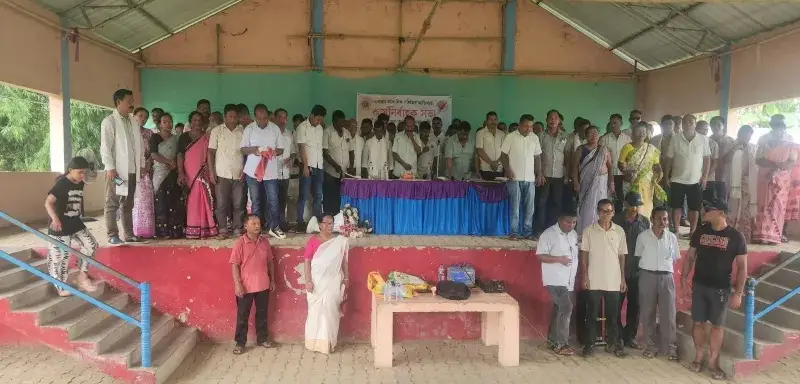
Environmental concerns are also surfacing. Former ULFA leader Jiten Dutta warned that illegal open-cast coal mining in the Tinsukia district is worsening the disaster. He argues that hill cutting in Margherita, Digboi, and Ledo has destroyed the natural ecology. "The destruction of hills in the name of coal extraction has made such disasters inevitable," Dutta said during an executive meeting in Dibrugarh. While no official agency has confirmed a link between mining and the current floods, the claim adds to the ongoing debate over the environmental future of Upper Assam.






Comments