 Photo Courtesy: India Today Group
Guwahati: Assam has its eyes on the global stage. Chief Minister Himanta Biswa Sarma confirmed on September 4 that the Rangpur-Sivasagar Ensemble is officially up for UNESCO World Heritage status. India’s Permanent Mission to UNESCO filed the paperwork back on June 19, 2026.
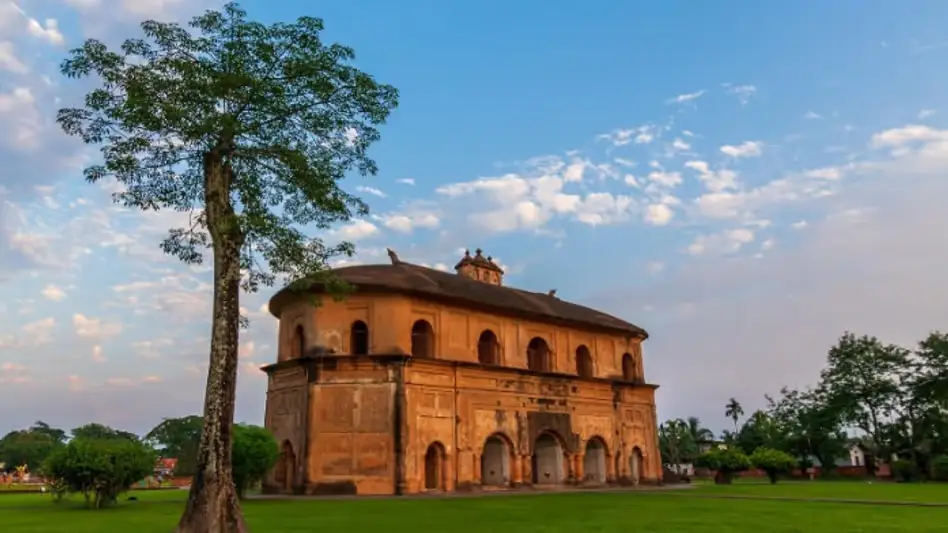
The nomination hits criteria three and four. This site served as the primary capital for the Ahom dynasty, the powerhouse that controlled the Brahmaputra Valley for six centuries. The region features palaces, temples, water tanks, and advanced engineering works from the 1228 to 1826 period.
It houses the Rang Ghar, which stands as the oldest surviving amphitheatre in all of Asia. Officials view this move as a natural follow-up to the 2024 UNESCO designation of the Charaideo Moidams. "Together, the two sites complete the Ahom story: where the dynasty rests, and where it ruled," Sarma said.
Sarma thanked Prime Minister Narendra Modi for his work in getting this nomination off the ground. He cited an unprecedented push from the central government to ensure the state’s historical sites gain the international recognition they deserve.
Updated at 5th September 2026 at 2:00pm
The move officially places the ensemble on UNESCO's Tentative List. This acts as a necessary bridge in the nomination process, meaning the site is now under formal consideration rather than guaranteed status. The bid includes a broader scope than just the primary monuments, covering a wide network of royal palaces, the Talatal Ghar, Ghanashyam House, Pohugarh, and the Namdang stone bridge. It also incorporates major water works like the Joysagar, Sivasagar, and Gaurisagar tanks.
UNESCO documentation notes that the Ahom engineers built these massive tanks with advanced moats and drainage systems to manage water levels and sustain agricultural and religious life. While the sites remain active hubs for worship and festivals, the nomination filing acknowledges real-world hurdles. Authorities pointed to threats from modern building encroachment, sediment buildup, and the wear and tear on original materials as primary concerns for the site's future.





Comments