
 Photo Courtesy: nenow
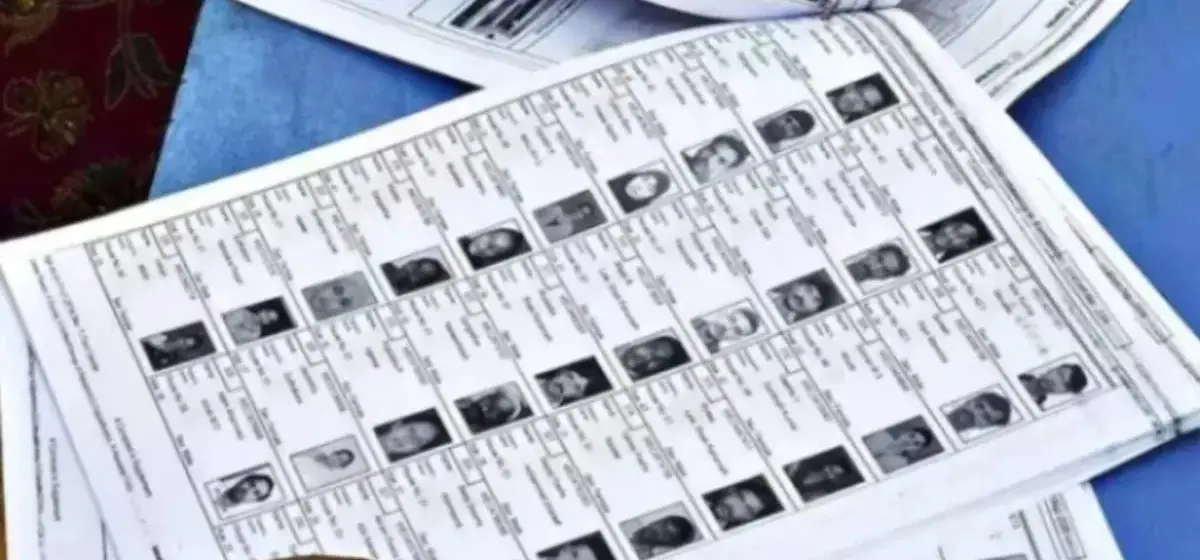
Imphal: The Election Commission of India ordered a Special Summary Revision of electoral rolls across 17 states and Union territories. This process targets a January 1, 2027, qualifying date. Officials aim to add first-time voters and scrub bad data from the records.
The exercise readies the country for the 2027 Assembly elections. Uttar Pradesh faces the end of its 403-member Assembly term on May 22, 2027. Meanwhile, the terms for Manipur, Goa, Punjab, and Uttarakhand expire in March 2027. These states hold 60, 40, 117, and 70 seats respectively. The Representation of the People Act, 1950, allows the commission to hold polls up to six months before a term ends.
A Special Intensive Revision acts differently. It mandates Booth Level Officers to visit homes for physical checks. This often sparks pushback. Opposition parties fear the process will block eligible people from voting. Critics claim the paperwork hurts migrant workers, the elderly, and the poor. Concerns over name deletions reached the Supreme Court, forcing the commission to defend its oversight methods.
The Election Commission maintains that the work remains vital for integrity. The body stated that intensive revision is "intended to improve the accuracy of electoral rolls by removing duplicate and ineligible entries, including those of deceased voters, while ensuring that all eligible citizens are included."



Comments