 Photo Courtesy: nenow
Guwahati: National Testing Agency data shows NEET-UG 2026 success rates dropped across most of Northeast India. Assam led the region with 18,435 qualifiers, though this fell from 19,809 in 2025. Out of 43,187 registered students in Assam, 36,283 took the test. Regional declines also hit Arunachal Pradesh with 2,179 qualifiers, Manipur with 5,070, Meghalaya with 1,658, Tripura with 1,807, and Sikkim with 579. Mizoram and Nagaland stood out as the only regional exceptions to the trend, posting increases with 1,353 and 1,946 qualifiers respectively.
Nationally, 11,21,185 candidates qualified out of 19,99,895 who appeared. While test numbers shifted, political cooperation in the region strengthened. Mizoram Tourism Minister Lalnghinglova Hmar and Assam Tourism Minister Ajanta Neog met in Guwahati to align their tourism strategies. Hmar noted that Mizoram’s visitor count grew after a recent railway connection, with Assam serving as the primary origin for travelers. "Most tourists visiting Mizoram come from Assam," Hmar said, confirming the need for deeper coordination.
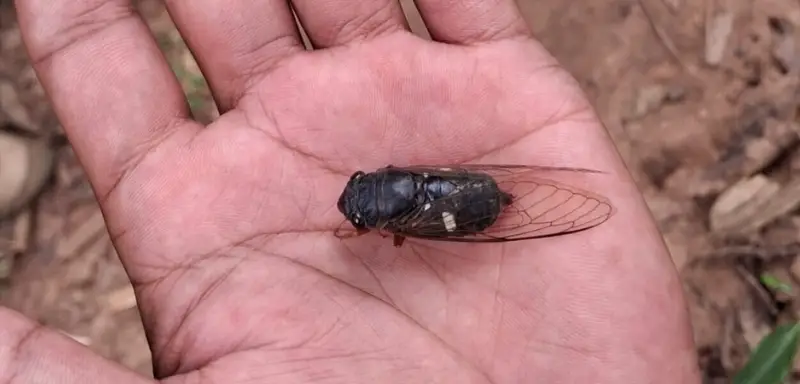
Simultaneously, a rare biological event occurred in Assam. The World Cup cicada, or Chremistica ribhoi, appeared in the Rani-Garbhanga-Basistha Reserve Forest. Previously known only in Meghalaya, this marks the first scientific record in Assam. Wildlife biologist Pulakeswar Basumatary stated, "Until now, Chremistica ribhoi was known only from Saiden village and Lailad, near Nongkhyllem Wildlife Sanctuary in Meghalaya’s Ri-Bhoi district. The 2026 sighting across the Rani-Garbhanga-Basistha Reserve Forest is the first record of the species in Assam, and a real extension of its known range."
Local Rabha communities claim they have observed the insect for decades. The cicada is known for its massive urine excretion, which residents of Satargaon village call mutrapuka. The insects feed on plant sap and emit mating calls reaching up to 100 decibels. Basumatary noted that this sound likely impacts local elephant populations in the corridor. Despite the biological disruption, the cicadas serve as a local protein source. Residents collect the insects shortly after they emerge from their shells to fry and serve them as a seasonal delicacy.






Comments