 Photo Courtesy: nenow
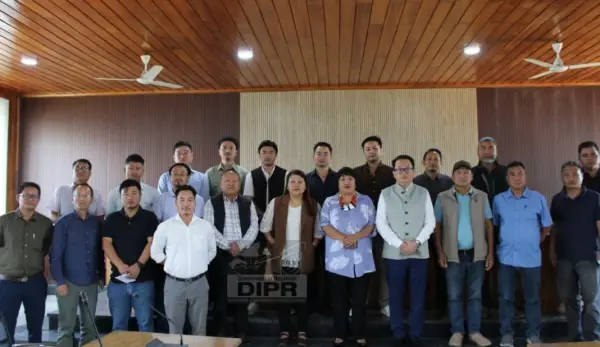
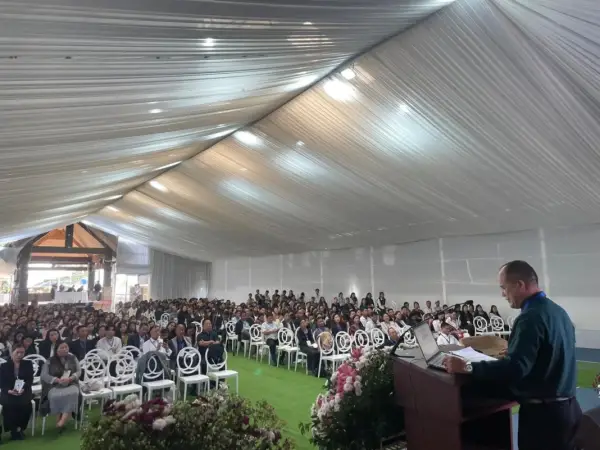
Kohima: The Nagaland Pollution Control Board teamed up with the Dimapur Press Club on Monday to host a workshop on environmental compliance. They gathered at the NPCB conference hall in Dimapur. The event fell under the theme Clean Air, Healthy Choices: Acting Together for People and Planet. It marked the International Day of Clean Air for Blue Skies 2026.
NPCB senior environmental engineer Aghali A. Swu read a keynote address from member secretary K. Hukato Chishi. Chishi warned that climate change and air pollution are growing threats. He pushed for a collective effort between the government, the press, and the public. Journalists need to keep up with changing waste rules to report accurately.
DPC vice president Bendangchuba Kichu wants better reporting on these issues. He urged the media to expand their coverage beyond typical news beats. "We often report extensively on politics, law and order and government programmes, but when it comes to the environment, our coverage is not enough," Kichu said.
Technical sessions tackled a wide range of regulations. Experts covered the Noise Pollution Rules of 2000 and the Hazardous and Other Wastes Rules of 2016. They also discussed Battery Waste rules from 2022, E-Waste rules from 2016, and Plastic Waste rules from 2016. The group also reviewed the 2024 Bio-Medical Waste rules and the 2026 Solid Waste Management rules alongside industrial compliance standards.
Updated at 8th September 2026 at 2:15pm
During the event, NPCB Senior Environmental Engineer Aghali A. Swu put producers on notice regarding Extended Producer Responsibility. She warned that the board is ready to leverage Section 5 of the Environment (Protection) Act, 1986, to shutter businesses that refuse to manage the waste their products generate. The board plans to issue directions and timelines for compliance, but failure to fall in line could result in show cause notices and directives to local bodies to revoke trade licenses.
Swu pulled no punches regarding the local situation, citing WHO findings to label Dimapur and Kohima as non-attainment cities that routinely fail to meet national air quality standards. She also pointed to a University of Michigan study from Science Advances, which links rising temperatures to the rapid depletion of groundwater across India. Kichu echoed the urgency, calling for the board to start feeding reporters regular data on pollution hotspots and water quality so the press can stop reacting to disasters and start tracking the slow-motion decay of the environment.





Comments