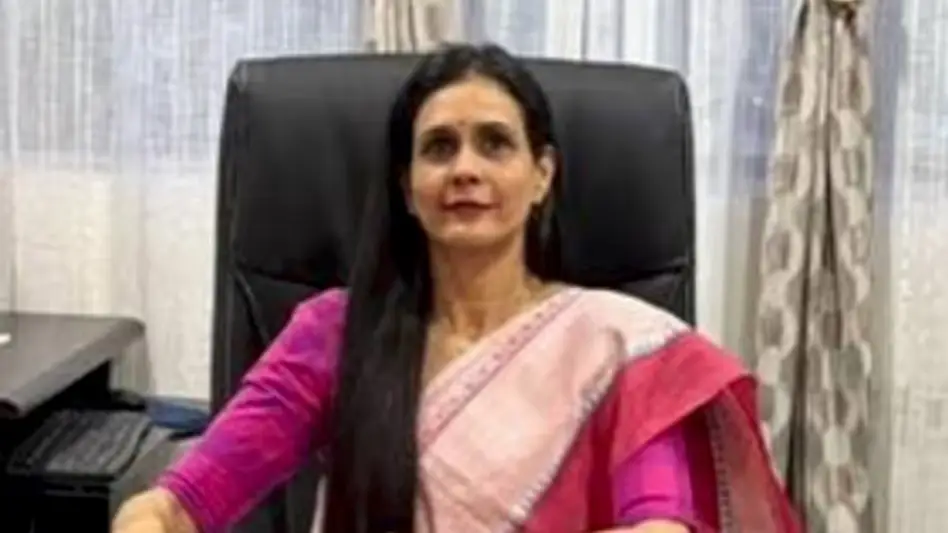
 Photo Courtesy: India Today Group
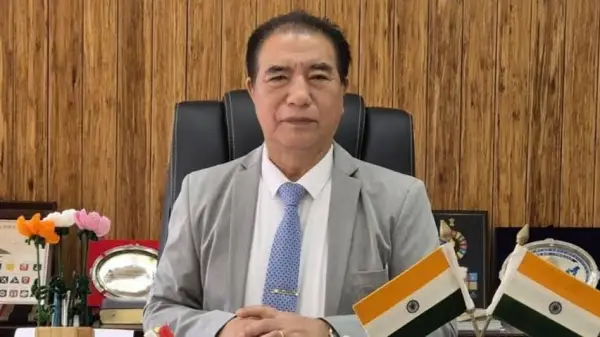
Aizawl: Mizoram Chief Electoral Officer Garima Gupta traveled to Champhai on Friday, September 4, to confront a growing participation gap. She met with members of the Delete Church community in Zotlang to discuss why they refuse to join the electoral rolls. The holdouts claim that participating in elections conflicts with their faith. They will not vote.
A total of 309 people have actively refused enrollment during the ongoing Special Intensive Revision. Gupta brought Joint Chief Electoral Officer Ethel Rothangpuii and local election staff to the meeting. The Election Commission of India aims to clean up voter lists before the final publication date of September 7. Officials across the state held similar review meetings on Friday with political parties and civil society groups to check their readiness.
Data shows 828,906 electors lived in Mizoram as of the July 4 draft roll, a figure including 429,881 women. Election workers struggled to collect 46,163 forms, accounting for 5.28 percent of the total. Officials documented 21,295 deaths, 13,978 permanent relocations, and 8,333 untraceable individuals. Another 2,248 people had already registered in other areas. The community members told the CEO that "enrolling as voters was incompatible with their religious beliefs" during the visit.
Updated at 5th September 2026 at 1:48pm
The resistance stems from a specific theological fear of the number 666, identified in the Bible as the Number of the Beast. This phobia, known as hexakosioihexekontahexaphobia, drives members to shun more than just the ballot box. They routinely reject Aadhaar cards, bank accounts, driving licences, and ration cards to avoid the digits appearing in their official records.
This pattern of avoidance extends to the education system, with some families pulling their children from formal school enrollment. While 309 people total have refused enrollment, local estimates suggest roughly 30 to 40 of those individuals are voting-age adults, while over 20 are minors. The standoff highlights a friction between the state mandate for universal registration and the community's rigid stance on religious isolation.


Comments