 Photo Courtesy: India Today Group
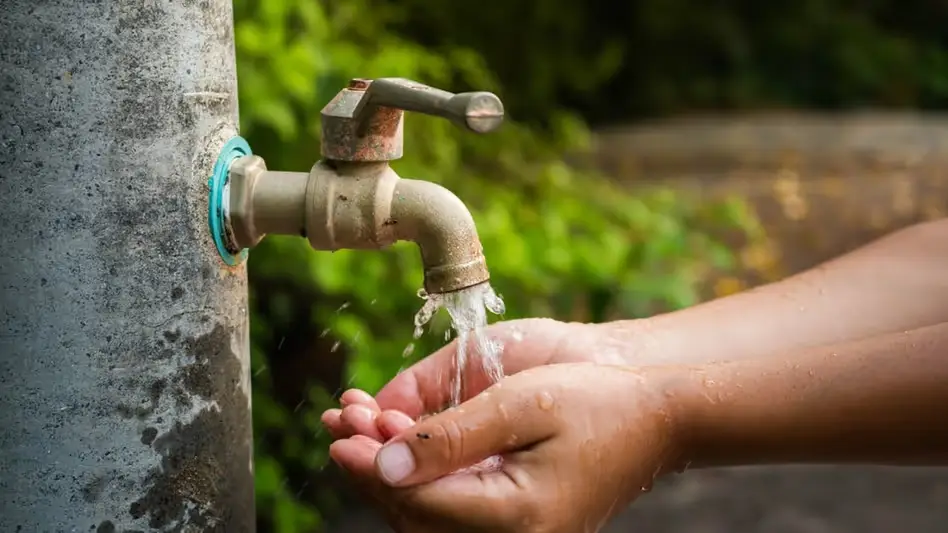
Shillong: Meghalaya is changing the game for its Jal Jeevan Mission. The state no longer prioritizes installing new faucets. Instead, the Public Health Engineering Department is demanding existing systems deliver safe, regular water. Officials confirmed that as of September 6, 2026, the state finished tap-water connections for 547,869 rural homes. That covers 84 per cent of the 650,854 rural households in the state. Progress was slow years ago. Back in August 2019, only 4,550 households had coverage, representing just 1 per cent.
The department is auditing all 7,795 JJM schemes to fix service gaps. Out of those, 6,195 projects are already physically finished. Inspectors are scouring the state to measure tap availability, regularity, and water volume. The government is building a new policy framework to handle the operation and maintenance of these water assets. Digital systems will now track financial and asset data to speed up repairs. "The emphasis under JJM 2.0, therefore, is moving beyond the number of connections created to the quality, reliability and long-term sustainability of rural water services."
Water source survival sits at the heart of the new mission phase. The state mapped 55,000 springs and 70,000 spring sheds to protect supply. Officials identified 785 critical water sources slated for rejuvenation. A new Payment for Ecosystem Services model will pay local communities to guard forests and water sources. Meanwhile, the Meg ARISE initiative is restoring catchments in 180 villages to fight climate threats. Women are leading the testing efforts. The state trained 31,829 women to use Field Test Kits to ensure the water stays clean and safe for everyone.
Updated at 17th September 2026 at 2:15pm
State officials dubbed this broader water security strategy the Catchment-to-Tap initiative. The program ties the protection of forest ecosystems and catchment zones directly to the reliability of water reaching individual homes.
To fix problems on the ground, the department is rolling out centralized data systems. These tools aim to sharpen reporting accuracy and speed up the response time for field-level complaints.



Comments