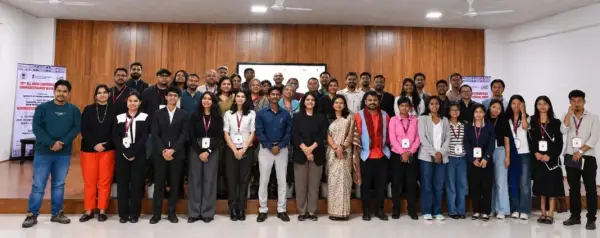
Kohima: Dimapur Government College hosted 60 educators for a mental health workshop on November 2. The event drew staff from schools, colleges, and universities across Dimapur, Chümoukedima, and Niuland. The Department of Higher Education, Nagaland, backed the initiative, which the college Psychology Department coordinated. They aimed to push past surface-level awareness to address real-world psychological hurdles.
Dr. T. Tiakaba Jamir, the DGC Principal, opened the session by highlighting the crushing workloads teachers face today. He pointed to shifting governance models and indefinite working hours as primary sources of stress. He noted, "Although it was primarily intended for teachers, its benefits would in turn reach students."
Resource person Dr. Lovika P. Shikhu of Nagaland University introduced the Four Burners Theory. She likened life to a stove, where family, friends, health, and work compete for attention. She argued that people must consciously prioritize these areas to function. Her talk leaned on Positive Psychology, urging staff to seek eudaimonia by finding meaning in their work rather than just chasing pleasure.
Dr. Shikhu tied mental well-being to Maslow’s hierarchy of needs. She mapped out the climb from basic safety to self-actualization. For daily maintenance, she suggested mindfulness, consistent sleep, and strong community ties. She also addressed the unique burdens on women, specifically citing postpartum trauma and antenatal depression. The event closed with a sharp Q&A session. Teachers probed topics like insomnia, workplace burnout, and the persistent social stigma surrounding mental illness.
Updated at 3rd November 2026 at 2:04am
Dr. Temsusenla Jamir, head of the DGC Psychology Department, set the stage with introductory remarks. She pushed the 60 participants to look in the mirror by asking how they handle their own mental strain, how they treat struggling peers, and what kind of institutions they are actually building.
Dr. Shikhu linked the work to the National Education Policy, noting the policy gives students the freedom to pick their own paths. She also expanded the list of daily survival tactics to include spirituality, practicing gratitude, and keeping a balanced diet. The final Q&A went deeper than previously reported, covering menopause, parental awareness, and strategies to help students battling their own mental health issues.
Updated at 3rd November 2026 at 1:50pm
Beyond standard psychological frameworks, the session covered specific lifestyle pillars. Dr. Shikhu added spiritual practice and a regular, balanced diet to the list of survival tactics for educators. She also noted that the National Education Policy plays a role in this shift by giving students the autonomy to pick their own academic paths.
The final Q&A turned into a blunt session on hidden struggles. Beyond general burnout, participants grilled the expert on how menopause, parental awareness, and the specific, often ignored mental load of motherhood impact classroom performance. They also discussed concrete ways to help students who are fighting their own battles with mental health.





Comments