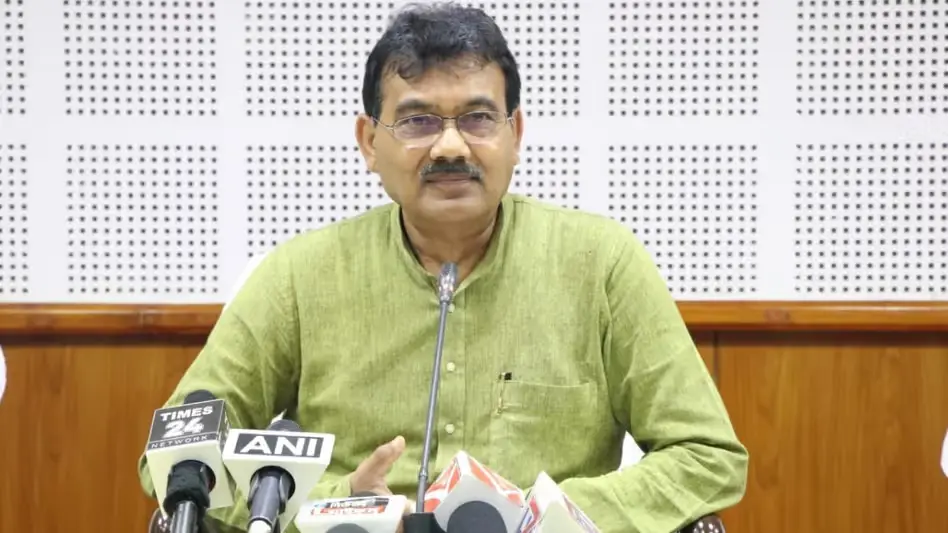
 Photo Courtesy: India Today Group
Agartala: Tripura is moving to set up its Eighth Pay Commission. Finance Minister Pranajit Singha Roy confirmed the move during an Assembly session on August 27. Officials are currently vetting candidates for the roles of chairman and commission members. They want the right people for the job.
MLA Sudip Roy Barman raised the issue, with input from Leader of the Opposition Jitendra Chaudhury. Singha Roy expects the commission to resolve long-standing pay anomalies. "The government expects issues related to pay anomalies to also come under the purview of the proposed commission," the minister stated.
The state has a long history of pay revisions. The first rules date back to 1963, followed by updates in 1975 and 1982. A third commission arrived in 1985, while the fourth followed in 1996. By 2008, the government switched to a Pay Revision Committee, followed by a 2017 Pay and Pension Revision Committee. The current administration formed an Expert Committee in 2018. That group pushed the fitment factor from 2.25 to 2.57, which boosted basic pay and pensions but increased the burden of Dearness Allowance payments.
The Union Government beat the state to the punch. It formed the Eighth Central Pay Commission on November 3, 2025, under Justice Ranjana Prakash Desai. Most states are still holding off on similar moves. Only one or two others have made a decision.




Comments