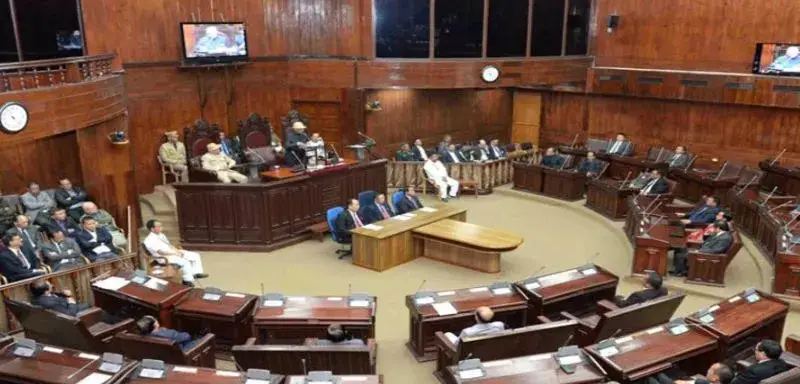
 Photo Courtesy: nenow
Aizawl: The Mizoram Assembly unanimously passed the Mizoram Regulation of Fireworks Bill, 2026, on Tuesday. The new law creates a firm legal framework for controlling firecracker use across the state. Home Minister K. Sapdanga introduced the bill to shield the environment and improve public health. It also aligns the state with mandates from the Supreme Court and the National Green Tribunal.
Officials want compliance. The government prefers to hit violators with heavy fines instead of locking them up. The law allows for both imprisonment and financial penalties, but the scale of the fine is the primary tool. As Sapdanga noted, the government's preference was to impose substantial fines rather than resort to imprisonment.
Aizawl has restricted fireworks during Christmas and New Year celebrations since 2008. Local civil society groups demanded a formal law to replace the previous piecemeal approach. District Magistrates previously relied on the Criminal Procedure Code and the Bharatiya Nagarik Suraksha Sanhita to issue prohibitions. Those methods proved difficult to enforce. A working committee led by the Home Secretary drafted this legislation after multiple rounds of meetings. The Council of Ministers signed off on the final version before it reached the Assembly floor.
Updated at 26th August 2026 at 10:00pm
The new law shifts from a total ban to a permit-based system. Residents must now secure approval from their Deputy Commissioner to possess, discharge, or set off fireworks. Sellers face strict rules, as they can only operate from shops holding valid licenses under the Explosives Act of 1884.
To police the state, the government is installing a three-tier monitoring hierarchy. A High-Level Committee led by the Home Minister will sit at the top, supported by District Supervisory Committees chaired by Deputy Commissioners. Local Supervisory Committees, staffed by police and local council representatives, will monitor compliance on the ground.
The law hits violators hard. Ordinary offenders face up to three months in jail and a fine reaching 50,000 rupees. Public servants caught breaking the rules face stiffer consequences: up to six months in jail and fines as high as 1 lakh rupees. Authorities also now have the power to raid premises, seize illegal stock, and pull commercial licenses.







Comments