Imphal: In a blistering broadside that has sent shockwaves across Naga civil society, youth organization Khanuithot-Khon (Voice of the Naga Youth) has issued a dramatic ultimatum to the United Naga Council (UNC), warning that any unconditional release of Kuki detainees without verifiable proof of life for six missing Naga civilians would constitute a "catastrophic strategic failure" and a betrayal of the community's trust.
The statement, released on Monday under reference number KK/06/31, pulls no punches. It accuses UNC leadership of brokering a "lopsided" deal that risks abandoning six abducted Naga men, including respected church leaders Rev. Dr. Manu Thiumai and Pastor Kenpibou, to an uncertain fate, while simultaneously demanding the immediate suspension of all detainee releases until a "reciprocal, simultaneous exchange" is guaranteed.
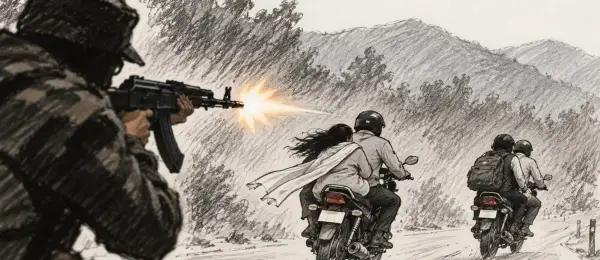
The six Naga civilians vanished during the recent ethnic flare-up. Months later, their whereabouts remain unknown, and Khanuithot-Khon says there is still no publicly verified proof of life, no credible assurance of safety, and no satisfactory explanation from any quarter.
The lives of six Naga civilians cannot be reduced to a matter of speculation, assumption, goodwill, or political expediency," the statement reads. It frames the proposed unconditional release as a surrender of leverage that could permanently weaken the Naga people's collective bargaining position in securing truth, accountability, and justice.
The youth body places the burden of consequence squarely on UNC's executive leadership: "Any adverse consequences arising from decisions taken without adequate safeguards, transparency, or accountability shall rest squarely and personally upon those individuals and organizations who authorized, endorsed, or facilitated such decisions. The blood of the 6 Nagas shall be upon the hands of the UNC leaders."
Khanuithot-Khon has put four non-negotiable questions on the public record, demanding full transparency before any detainee exchange moves forward:
- What concrete assurances have been received regarding the hostages?
- What evidence exists on the condition and whereabouts of the six missing men?
- What mechanisms have been established to ensure their safe return?
- What contingency plans exist if they fail to return?
"If such questions remain unanswered, then the profound concerns of the public are both legitimate and justified," the organization asserts.
Beyond the hostage crisis, the statement delivers a sharp critique of what it calls the "blurring of boundaries" between civil administration and frontline military operations. Khanuithot-Khon insists that civil society leaders, whether within UNC or tribal/zonal bodies must refrain from directly commanding village guard units, volunteer forces, or armed groups.
"The concentration of civil authority and operational military responsibilities in the same individuals creates severe conflicts of interest, weakens accountability, compromises tactical effectiveness, and severely undermines public confidence in the neutrality and integrity of civil institutions," the document states.
The message is clear: Leadership must negotiate from a position of institutional strength, not overstep by acting as frontline warriors or treating hostages as "bargaining chips in failed administrative games."
The ultimatum ends with a rallying cry to Naga youth, student bodies, and sub-zonal organizations to "stand united, reject any orders that weaken our regional security, and demand a leadership that is courageous, independent, and unyielding in the face of external pressure."
"The blood of our brothers and the tears of their families cannot be treated as a political footnote," the statement concludes. "The Naga youth are watching, and we will not allow the pursuit of justice to be abandoned before it is achieved."
With ethnic tensions in the Northeast remaining on a knife's edge, the Khanuithot-Khon intervention represents a significant pressure point on UNC, a body historically seen as the apex Naga civil society platform. By framing the detainee release as a potential surrender of the community's moral and strategic leverage, the youth group is effectively forcing a public reckoning on how Naga leadership balances negotiation with accountability.
Whether UNC responds to these demands, or proceeds with the release regardless could prove a defining moment for Naga civil society cohesion in the weeks ahead.
Stay with Newire.in for real-time updates on this developing story.


Comments