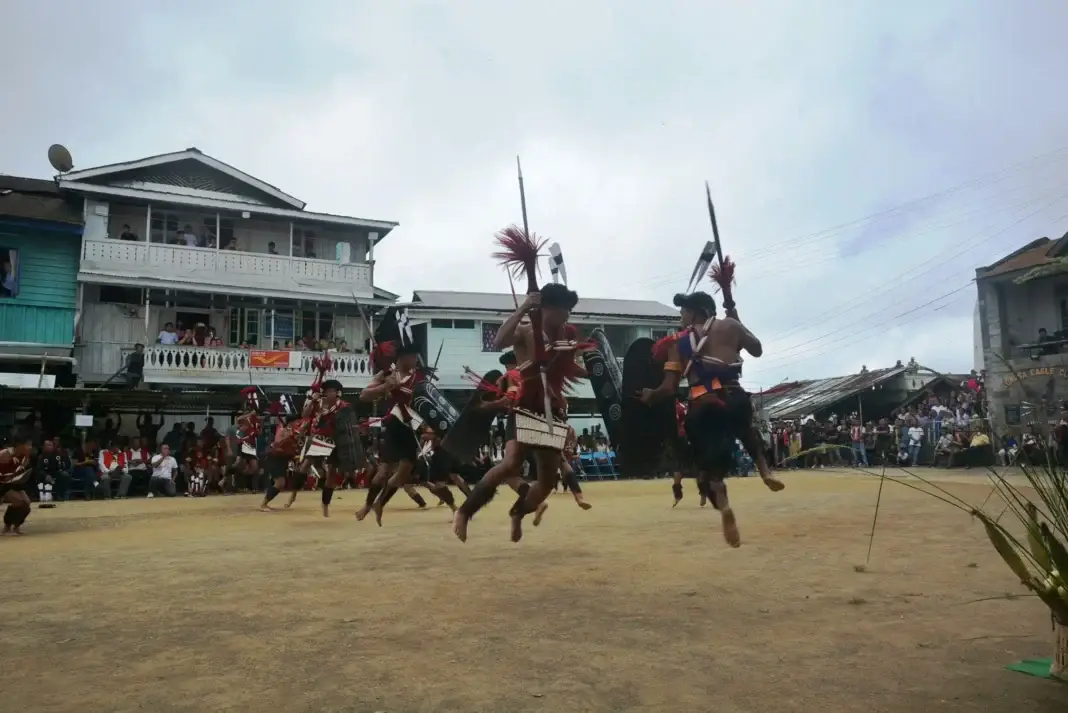
 Photo Courtesy: nagalandpost
Kohima: The Ao community celebrated the Tsüngremmung Festival 2026 on Friday and Saturday, marking the traditional harvest season with two major events in Mokokchung district. At the Imkongmeren Sports Complex, Ao Senden hosted a celebration featuring Lok Sabha MP S. Supongmeren Jamir as the chief guest. Simultaneously, the Longsa Village Council held a grand observance at Salang Lenden, backed by the Nagaland Department of Tourism.
Addressing the Mokokchung crowd, Jamir urged voters to embrace clean elections to foster better leadership. He argued that the current political struggles stem from systemic issues rather than individual failings. Jamir noted, "The process of clean elections must begin with responsible voters at the grassroots." Mokokchung Deputy Commissioner Ajit Kumar Verma and Municipal Council Chairman Imkongchuba A. also spoke at the event. Cultural performances included acts by Watsu Mungdang, Ao Lanur Telongjem, and the Watemdong Cultural Club. In a traditional tug-of-war, Alempang Ward beat Salangtem Ward.
Longsa village launched its festivities with the Arr Atsütsü, a ceremonial vine-pulling procession from Sangpu to the venue. The gathering included Rural Development Minister Metsübo Jamir, Advisor G. Ikuto Zhimomi, and Advisor S. Keoshu Yimkhiung, alongside representatives from the Tuensang and Zunheboto districts. Yimkhiung called for a return to the unity that secured statehood in 1963, while Zhimomi noted that such festivals provide a platform for preserving history and boosting the local tourism sector. MLA Benei M. Lamthiu and Advisor Tongpang Ozukum also attended.
The event featured performances by the Sangphur and Surumi cultural troupes, alongside indigenous games like cockfighting and a tug-of-war. Khensa Village Council Chairman I. Alemmeren Longchar detailed the festival's history, noting that the uniform dates of August 1 to 3 were established by the Ao Tribal Council in 1944. Originally spanning six days, the festival now typically runs for three, honoring the agricultural legacy of ancestors Tsüngremsang and Merangsang.


Comments