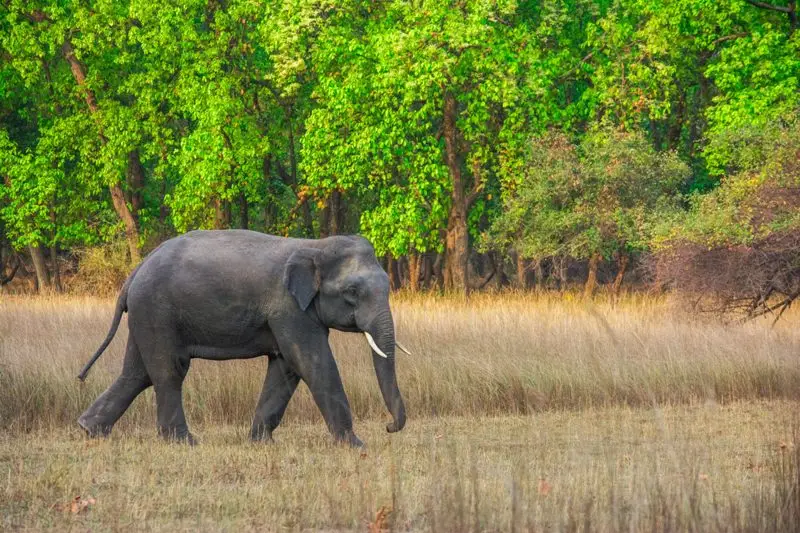
 Photo Courtesy: nenews
Guwahati: The Centre for Research on Animal Rights has formally requested that CITES investigate the transfer of five elephants from Assam to Tamil Nadu. These animals moved in September 2026. The group alleges illegal capture, dodgy ownership papers, and suspicious commercial deals. Founder Alok Hisarwala Gupta sent the request to the Geneva-based CITES Secretariat on October 12.
The animals involved are Durga, Rupsing, Shiva, Hiralal, and Bijuli. They ended up in religious institutions. Documents suggest irregularities. For instance, Durga allegedly has a birth date of February 2021, but her ownership certificate only appeared in October 2025. Rupsing faces similar scrutiny. A microchip number linked to him traces back to reports of wild capture from June 2019. Forest records and microchip data remain unverified.
The Wildlife Institute of India holds no DNA profiles for these five elephants. This lack of data makes it impossible to confirm their captive origins. It leaves the door open for wild capture. A February 2026 report from the Captive Elephant Healthcare and Welfare Committee found that 40.5 percent of 2,075 samples analysed were of unknown origin. Experts worry this creates a cover for trafficking.
A letter signed by 150 groups on October 1 raised alarms about purchases disguised as gifts. CRAR also contacted the Union environment minister on October 5 to push for a complete moratorium on elephant transfers from the Northeast. They want an independent inquiry.
The group fears these domestic deals feed international networks. They point to potential trafficking routes between India, Nepal, and Myanmar. Two cases involving the elephants Ashakali and Kajalkali show the risks. Authorities stopped Kajalkali twice during attempted sales to Indian buyers. CRAR insists that international oversight is a vital safeguard. The group argues that the CITES Secretariat must act now, stating: "CITES intervention as a preventive measure." They demand that India, Nepal, and Myanmar cooperate to compare permits, inventories, and seizure records to break up the trafficking chain.



Comments