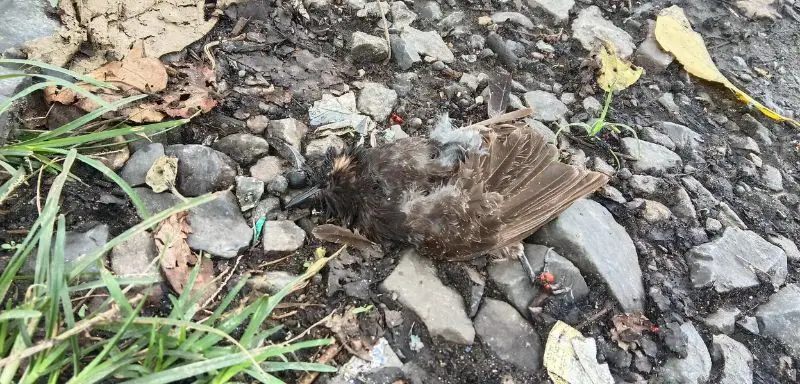
 Photo Courtesy: nenow
Guwahati: A dead Red-vented Bulbul appeared on National Highway 37 this Wednesday. The bird lay near the Doomdooma Forest Division in Assam. This discovery highlights the rising danger of traffic and pollution for regional wildlife. Speeding vehicles and thick smog create a lethal trap for birds flying between Assam and Arunachal Pradesh.
Student Rajani Nayak voiced alarm over the growing carnage. She noted that high traffic volumes and poor air quality force birds into harm's way. "The incident is deeply unfortunate. Heavy vehicular movement has created a polluted environment around the highway," Nayak said.
The Red-vented Bulbul serves as a key pollinator and seed disperser for local ecosystems. While the species is common, experts warn that habitat fragmentation and pesticides are thinning their numbers. Tinsukia remains a vital hub for nearly 300 bird species, including rare waterfowl and hornbills found in the nearby Dibru-Saikhowa and Dehing Patkai parks.
Nayak urged drivers to take responsibility for their impact. She asked motorists to maintain their vehicles to cut down on toxic emissions. She also pushed for safer driving speeds when passing through forest belts. Protecting the region's rich biodiversity now requires a shift in how humans interact with these shared roads.







Comments