 Photo Courtesy: India Today Group
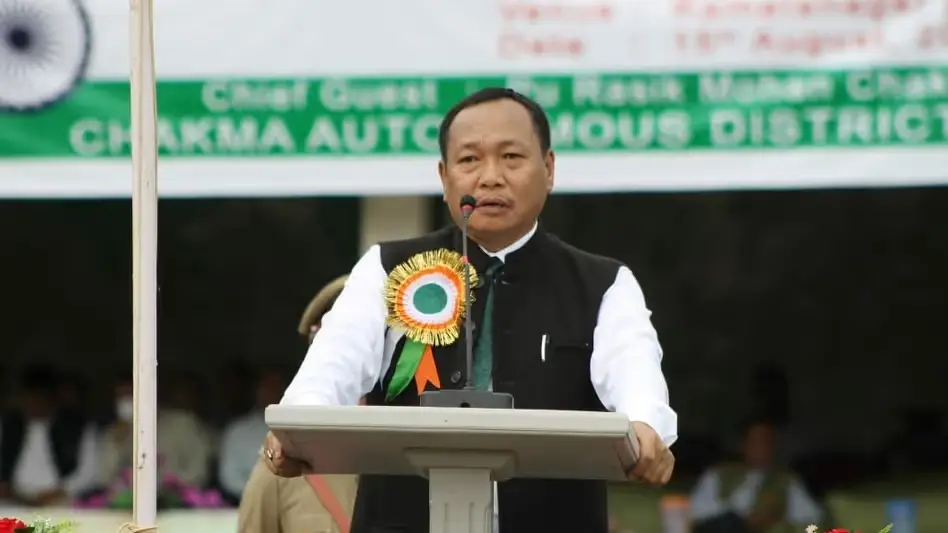
Aizawl: Mizoram MLA Rashik Mohan Chakma is challenging a recent Supreme Court order. He plans to file a review petition against the July 20, 2026 ruling in Civil Appeal No. 9212 of 2026, Rustom Chakma vs The State of Mizoram & Others. The court previously ordered the Chakma and Mara Autonomous District Councils to reinstate bans on holding dual seats in both the council and the state assembly. The justices aimed to standardize these rules across all district councils.
Chakma disputes the court’s logic. He claims the Lai Autonomous District Council removed these specific restrictions back in 2010 by repealing its 2002 Constitution and Conduct of Business Rules. He argues that this vital fact escaped the notice of the bench. The case concluded after a single hearing, denying him a chance to provide a formal written response. He stated, "The review petition would also raise questions concerning the constitutional provisions governing disqualification on the ground of holding an office of profit."
Chakma asserts that only Parliament and state legislatures hold the power to set rules for disqualification. He argues the Sixth Schedule does not grant autonomous councils that legislative authority. The outcome of this fight could impact councils well beyond Mizoram. He believes the ruling affects the Bodoland, Karbi Anglong, and Dima Hasao councils in Assam, the three councils in Meghalaya, and the Tripura Tribal Areas Autonomous District Council. Chakma wants these bodies to have a seat at the table to voice their concerns.
Updated at 11th August 2026 at 6:00pm
The case reached the Supreme Court after the Gauhati High Court rejected a petition from Rustom Chakma. That lower court ruling relied on guidance from the Election Commission of India and the Governor of Mizoram, which stated Articles 101 and 190 of the Constitution do not bar ADC members from simultaneously holding seats in the State Legislative Assembly.
Chakma contends the court's failure to allow a written reply violates the principles of natural justice. He also clarified the legal scope of the Lai ADC repeal, noting that their 2010 rules only outlawed holding seats in two or more ADCs at once, leaving the door open for dual membership with the state assembly. He maintains the Sixth Schedule restricts ADC law-making to specific areas like land use, forest management, and local social customs, meaning these councils lack the legal authority to set their own rules on disqualification or office of profit issues.





Comments