 Photo Courtesy: nenow
Guwahati: Erosion is tearing apart the historic Kahai Spur at Maijan in Dibrugarh. This massive structure, which guards Dibrugarh from the Brahmaputra, has seen boulders vanish into the river. Built in 1955 with a foundation stone laid by Jawaharlal Nehru, the spur is now crumbling. Residents watched as the river current claimed sections of the frame on Tuesday morning. Officials dumped geo-bags as a temporary fix, but locals say it is not enough. Bhaskar Jyoti Saikia, a local resident, demanded action: “We need a permanent solution to save Dibrugarh from unabated erosion, which is posing a threat to the existence of the historic city.”
The failure of this defensive spur arrives as Assam reels from a disaster that displaced over seven lakh people across 11 districts. More than 80 people died. While the government initially blamed a cloudburst in the Naga Hills, the India Meteorological Department confirmed no such event occurred. The Dikhu Hydroelectric Project was also cleared of wrongdoing. Though it has three 62 MW units, none are operational. The project remains stalled by land disputes.
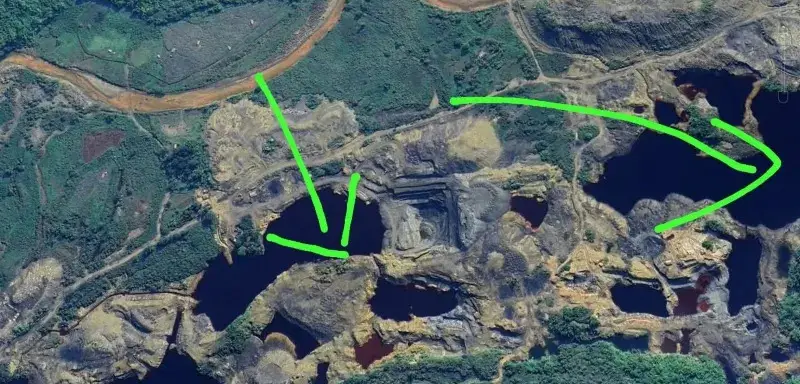
Real causes lie upstream. More than a century of coal mining, hill cutting, and deforestation have turned the Naga Hills into a danger zone. Unregulated rat-hole and open-cast mining in Mon district have stripped the land of its ability to absorb rain. When water hits the ground, it rushes directly into the river system. Roads carved into the hills dump debris into streams, choking rivers with sediment. This forces the riverbeds to rise, meaning even moderate rain now causes massive overflows.
Hydrologist Arup Kumar Sarma warns that the lack of piedmont buffers allows runoff from Nagaland to reach the Sivasagar plains within hours. Illegal stone and sand mining in the Dikhow riverbed have further weakened the channels. Former MLA Debabrata Saikia, who filed a 2019 public interest litigation to stop this extraction, says officials ignored court orders to form a task force. From Nepali Khuti to Simaluguri, floodwaters ruined infrastructure and homes in over 500 villages. Experts argue that without coordinated disaster management, sensor-based forecasting, and massive reforestation, the pattern of destruction will only accelerate as climate change intensifies.







Comments