
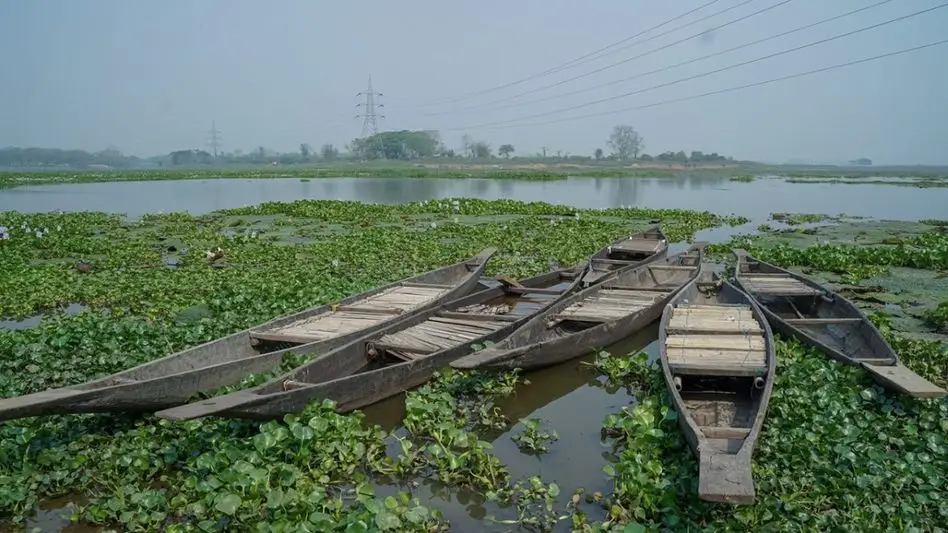
 Photo Courtesy: India Today Group
Guwahati: The Central Pollution Control Board (CPCB) has officially designated the Pamohi River in Assam as a polluted water body, intensifying fears regarding the long term health of the Deepor Beel Wildlife Sanctuary. As the state's only Ramsar site, the wetland serves as a critical habitat for diverse aquatic life and migratory bird populations, both of which are now under direct threat from deteriorating water quality.
According to the most recent water quality monitoring reports covering 2022 and 2023, the Pamohi River is one of six river stretches in Assam that failed to meet national standards for Biochemical Oxygen Demand. This metric confirms high levels of organic pollution, which experts attribute to the river acting as a primary conduit for untreated sewage, municipal waste, and toxic runoff originating from Guwahati.
Alongside the Pamohi, the CPCB report identified other compromised stretches including the Bharalu, Dhansiri, Digboi, Mora Bharali, and Bega rivers. These sites range across various priority classes, with the Bharalu River at Guwahati classified under the highest severity category. Previous interventions by the National Green Tribunal have consistently highlighted the need for urgent waste management reform.
Environmentalists and conservationists are now calling for immediate government action to mitigate this ecological crisis. Their recommendations include accelerating the installation of sewage treatment plants and implementing stricter waste disposal regulations to restore the balance of the Deepor Beel ecosystem before the damage to local fisheries and biodiversity becomes irreversible.






Comments