 Photo Courtesy: nenow
Guwahati: Assam grapples with persistent human-elephant conflict. A study by Ramesh Kumar Pandey of the Ministry of Environment, Forest and Climate Change suggests centuries-old knowledge might hold the answer. His commentary, Gaja-sastra: India’s Forgotten Elephant Science, appears in the Journal of Wildlife Science. It draws from five primary texts detailing the health, behavior, and training of the species dating back to the third century BC.
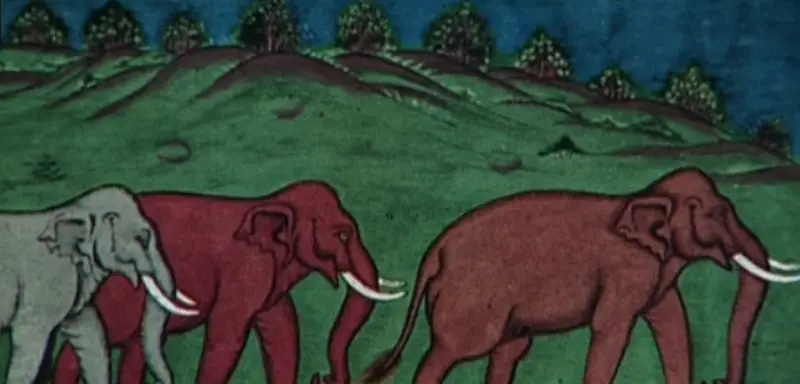
The research highlights the Hastividyarnava, an illustrated manual from 1734. Ahom King Siva Singha and Queen Ambika Devi commissioned the work, which author Sukumar Barkaith wrote to document the temperament and medical care of local elephants. The ancient manuscript provides a roadmap for reading animal behavior through shifts in posture, gait, appetite, and vocalizations. Experts argue these markers flag stress or aggression long before a dangerous encounter occurs.
"Pandey cautions against treating ancient practices as modern conservation methods." Instead, he pushes for blending these observations with current technology. Combining this wisdom with GPS collars, camera traps, and rapid-response teams could create a robust early-warning system. Training local residents to spot specific behavioral cues might further prevent escalation in contested corridors. The texts also track historical shifts in forests, wetlands, and river systems that remain vital to elephant migration today.







Comments