Shillong: Shillong has expanded its public transit network with the recent introduction of five electric buses under the PM eBus Sewa Scheme. This follows an earlier rollout of 84 vehicles, including 55 electric buses. While these additions aim to improve city travel, experts warn that the long-term success of the initiative depends on solving persistent last-mile connectivity issues.
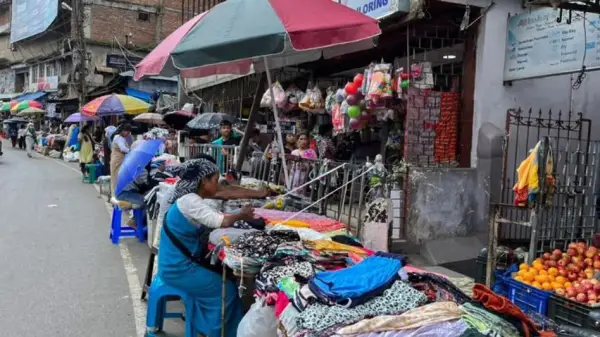
Residents often find it difficult to reach their final destinations after disembarking from main road bus routes. Unlike other major Indian cities that utilize auto-rickshaws and e-rickshaws to bridge this gap, Shillong lacks an organized feeder system. Many commuters currently rely on private vehicles because they must walk long distances to reach their homes from bus stops, particularly in neighborhoods with narrow, congested streets.
Transport planners suggest that the city requires an integrated model where small-scale transport services ferry passengers to major transit corridors. An affordable network of e-rickshaws charging nominal fares could bridge this divide, similar to systems seen elsewhere in the country. While bike taxis are currently available, they do not serve the needs of all residents, including families, the elderly, or those carrying luggage.
The government has shifted to a Gross Cost Contract model to improve service reliability, but observers remain cautious. A recent analysis states, "For Shillong’s public transport system to become a viable alternative to private vehicles, buses may need to be supported by a network of feeder services that can connect residents from their doorsteps to major transport corridors."
Past efforts to overhaul the system, such as the JNNURM-era Shillong Public Transport Service, struggled with sustainability and ultimately led to the auction of defunct vehicles in 2021. Current authorities hope to avoid similar outcomes through modern initiatives like the Chief Minister’s Regional Transport Scheme. Ultimately, the city's ability to manage traffic congestion will likely be measured by how seamlessly commuters can complete their entire journey through public transit.




Comments