
 Photo Courtesy: nenews
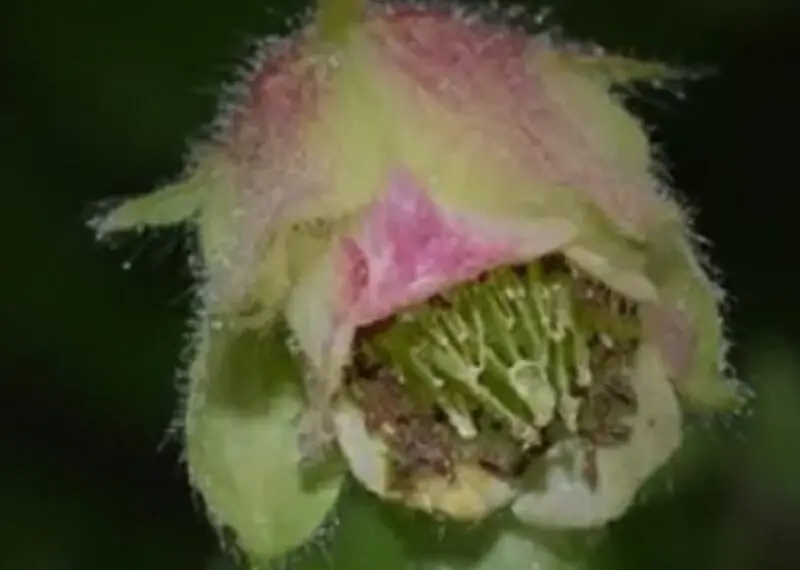
Itanagar: Researchers from the Botanical Survey of India (BSI) have successfully rediscovered the rare flowering plant species Geum macrosepalum in the high-altitude alpine regions of Arunachal Pradesh. This significant finding marks the first recorded sighting of the species in India in nearly 120 years, as it was last documented in Sikkim in 1905. The rediscovery was made near the strategically significant Sela Pass, located between the Tawang and West Kameng districts, at an elevation of approximately 4,200 metres.
The research team, which included botanists Subhajit Lahiri, Monalisa Das, and Sudhansu Sekhar Dash, encountered the plant during an extensive field survey focused on the impact of climate change on vascular plant movement and floristic diversity. Their findings have been published in the international scientific journal Phytotaxa. The plant, which belongs to the rose family, is characterized by its distinctive ivory-yellow to pale yellow drooping blooms that feature reddish tinges, an evolutionary adaptation to the harsh conditions of its alpine environment.
As an endemic species of the eastern Himalaya, Geum macrosepalum is currently classified as vulnerable under the criteria established by the International Union for Conservation of Nature. Scientists attribute this status to its limited geographical distribution and the mounting pressures from ecological disturbances and regional developmental activities. Researchers emphasize that this discovery underscores the critical need for continued, long-term conservation efforts within the eastern Himalaya biodiversity hotspot.







Comments