
 Photo Courtesy: northeasttoday
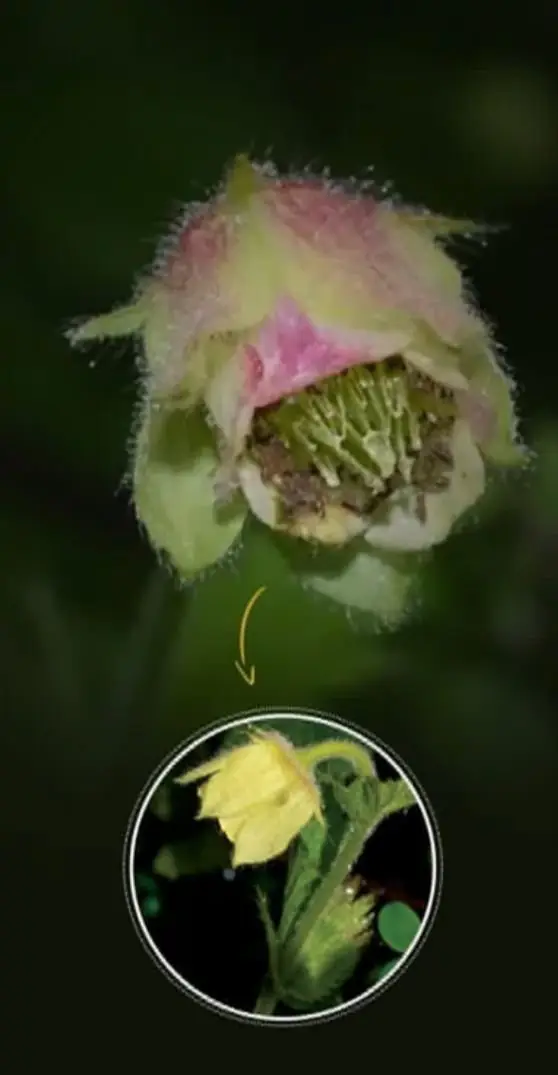
Itanagar: A rare alpine plant known as Geum macrosepalum has been rediscovered in the high altitude meadows of Arunachal Pradesh, marking the first time the species has been officially recorded in India in 120 years. The discovery was made by a team from the Botanical Survey of India, including researchers Subhajit Lahiri, Monalisa Das, and Sudhansu Sekhar Dash, during a field study focused on climate change and its impact on plant migration in the eastern Himalayas.
The plant, a member of the rose family characterized by its distinctive drooping, pale yellow flowers, was located near the Sela Pass at an elevation of approximately 4,200 meters. Before this event, the last documented collection of the species in India occurred in Sikkim in 1905. The findings, which have been published in the journal Phytotaxa, highlight the importance of the region as a biodiversity hotspot.
Experts have classified the plant as vulnerable under IUCN criteria, noting that it faces significant pressure from regional development and ecological disturbances. Due to the inaccessible nature of the terrain, many endemic species in Arunachal Pradesh remain largely unstudied. The rediscovery has been widely celebrated, with Deputy Chief Minister Chowna Mein praising the find as evidence of the state's exceptional ecological wealth. Conservationists emphasize that this breakthrough underscores the critical need for continued floristic surveys and robust protection strategies for the fragile alpine ecosystem.







Comments