 Photo Courtesy: nenow
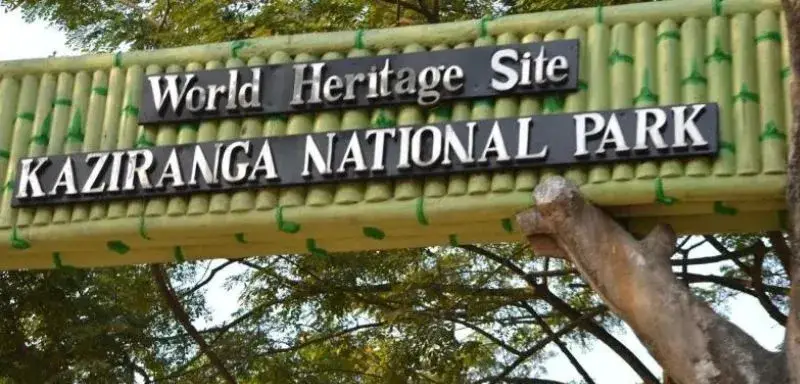
Guwahati: The International Union for Conservation of Nature recently flagged significant ecological threats to Kaziranga National Park. The assessment, finalized October 11, 2025, warns that development, tourism, and land-use shifts jeopardize the site. Wildlife is at risk. The Assam government recently shrunk the park’s eco-sensitive zone from 10 kilometers down to a range of 1 to 3 kilometers.
Conservationists fear this change invites industrial and commercial sprawl. These projects threaten the Karbi Anglong hills, a critical refuge for animals during monsoon floods. Experts note these hills remain vital for wildlife movement beyond the park. Mining, quarrying, and construction continue to fragment this essential habitat.
The IUCN World Heritage Outlook 2025 classifies the park as “Good with Some Concerns.” The report credits stable rhino populations and successful anti-poaching measures. However, it lists numerous pressures: invasive plants like Mikania micrantha and Eichhornia crassipes, livestock grazing, illegal fishing, and riverbank erosion. Uncontrolled resort development adds further strain.
Climate change intensifies these dangers. The report notes, "Climate change, it added, could worsen existing threats while introducing additional pressures on Kaziranga’s ecological systems." Authorities also face challenges from human-wildlife conflict and the proposed expansion of the Kaziranga elevated highway. The IUCN demands coordinated planning that reaches beyond the park borders to protect its long-term future.





Comments