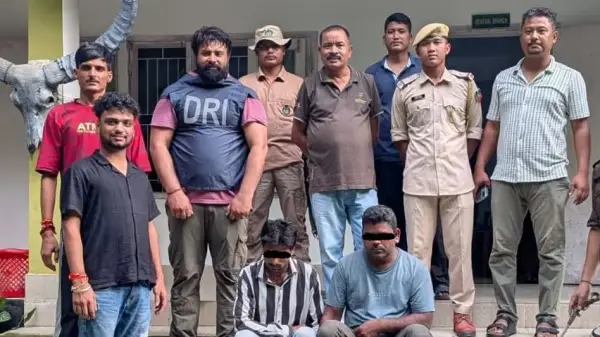
 Photo Courtesy: nenow
Guwahati: The Government of Assam signed a Memorandum of Settlement on March 15, 2026, with several Kuki and Hmar militant groups to end years of armed conflict. The agreement includes the Kuki Revolutionary Army, the United Kuki Gam Defence Army, the Kuki Liberation Army, and the Hmar group HPC (D). This deal marks a shift in the region as these groups formally entered a process to transition from insurgency to peace through dialogue.
For decades, Kuki communities in Karbi Anglong pushed for a Kuki Tribes Autonomous Regional Council under the Sixth Schedule of the Constitution. This demand originated in the early 1990s as a response to perceived development neglect and a lack of representation within the Karbi Anglong Autonomous Council. While the movement was previously hampered by ethnic clashes between 2003 and 2004, the aspiration remained a core component of negotiations with state and central authorities.
Under the new terms, Kuki groups have agreed to relinquish their demand for an autonomous regional council in exchange for a Kuki Welfare and Development Council. While some community members view the new council as a compromise that falls short of their original political goals, leadership has opted to prioritize stability. As the article notes, the acceptance of this agreement reflects the willingness of the Kuki leadership to prioritize peace and democratic engagement.
Despite the signing, the agreement faces criticism from organizations in Karbi Anglong and Dima Hasao. Opponents fear the new councils might undermine existing administrative frameworks or alter demographic balances. The government has attempted to clarify that the welfare bodies are strictly for socio-economic and cultural development and will not infringe upon the jurisdiction of current autonomous councils. The future of this peace effort now rests on whether stakeholders can overcome lingering political anxieties to foster long-term coexistence.


Comments