 Photo Courtesy: India Today Group
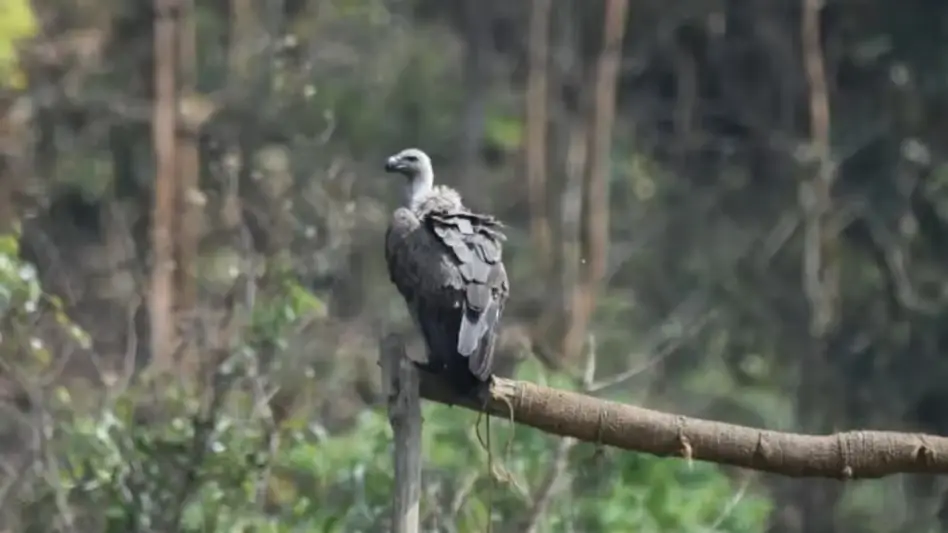
Guwahati: Assam conservationists released ten captive-bred vultures into the wild on August 7. It is a world first. The group included five slender-billed and five white-rumped vultures. They left the Jatayu Soft Release Centre in the Biswanath district.
The Assam forest department and the Bombay Natural History Society have run this breeding program since 2007. Workers moved the birds from the Rani facility to the Biswanath aviary three months ago. This allowed the animals to get used to the area. Officials opened the aviary remotely using a pulley system to ensure the birds remained undisturbed. Staff kept watch via a CCTV-equipped tower.
India lost 99 percent of its vulture population over two decades. Poisoning from veterinary drugs like diclofenac caused this crash. Authorities later banned diclofenac, along with aceclofenac, ketoprofen, and nimesulide. Vultures still face secondary poisoning risks from pesticides on livestock carcasses. Experts emphasize that these carcasses are a vital food source.
The event drew several officials, including Forest Minister Jayanta Malla Baruah and MLA Pallab Lochan Das. Special Chief Secretary M Yadav, Chief Wildlife Warden Vinay Gupta, Kaziranga National Park Director C Ramesh, and BNHS Deputy Director Sachin Ranade also attended. Researchers fitted every bird with a numbered blue leg ring and a back tag for tracking. BNHS urged the public to report sightings to help monitor the animals.
"The release comes against the backdrop of a severe decline in India's vulture population," noted the BNHS. The organization continues to push for a total stop to the use of toxic NSAIDs and pesticides near feeding sites.



Comments