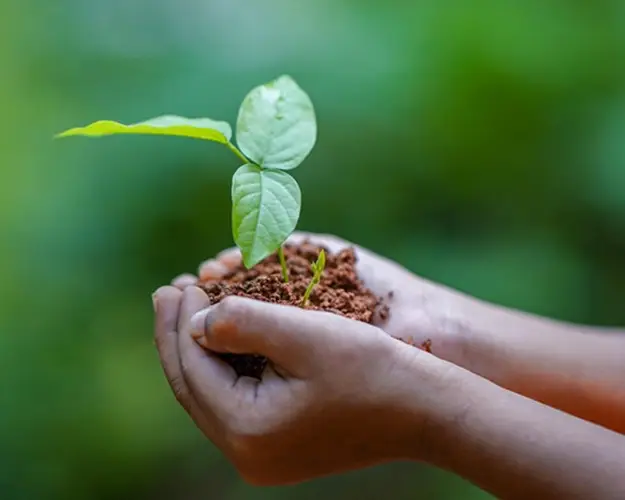
 Photo Courtesy: nenews
Guwahati: A large-scale reforestation project kicked off in Assam’s Majuli district this week, aiming to restore degraded habitats through the Miyawaki afforestation method. The initiative, spearheaded by Woolah Tea in collaboration with the Balipara Foundation, began with the planting of 2,000 indigenous trees at Dhapk Gaon.
This effort marks the first phase of an ambitious goal to plant 10,000 trees across the river island. The project was timed to coincide with the monsoon season to leverage favorable soil and weather conditions, which experts believe will maximize the survival rate of the new saplings.
Woolah Tea founder Upamanyu Borkakoty emphasized the necessity of the project, noting that Majuli’s ecosystem faces constant threats from riverbank erosion and human-induced forest loss. “This is Phase 1 of our 10,000 trees project as part of our stance against global hyper-consumption and our commitment to climate action,” Borkakoty stated.
The Miyawaki method, developed by Japanese botanist Akira Miyawaki, involves planting diverse native species in close proximity to create dense, self-sustaining forests that mature quickly. At the 0.25-hectare site in Dhapk Gaon, organizers are planting 20 indigenous species, including fruit-bearing and canopy-forming trees. These dense clusters are designed to accelerate growth, sequester carbon, and provide essential corridors for local wildlife, including endangered vultures and hog deer.
The program is intended to be a long-term commitment to the region. Organizers plan to conduct regular monitoring and community-led protection efforts over the coming year to ensure the survival of the saplings and prepare for the next stages of the 10,000-tree campaign.





Comments