 Photo Courtesy: nenow
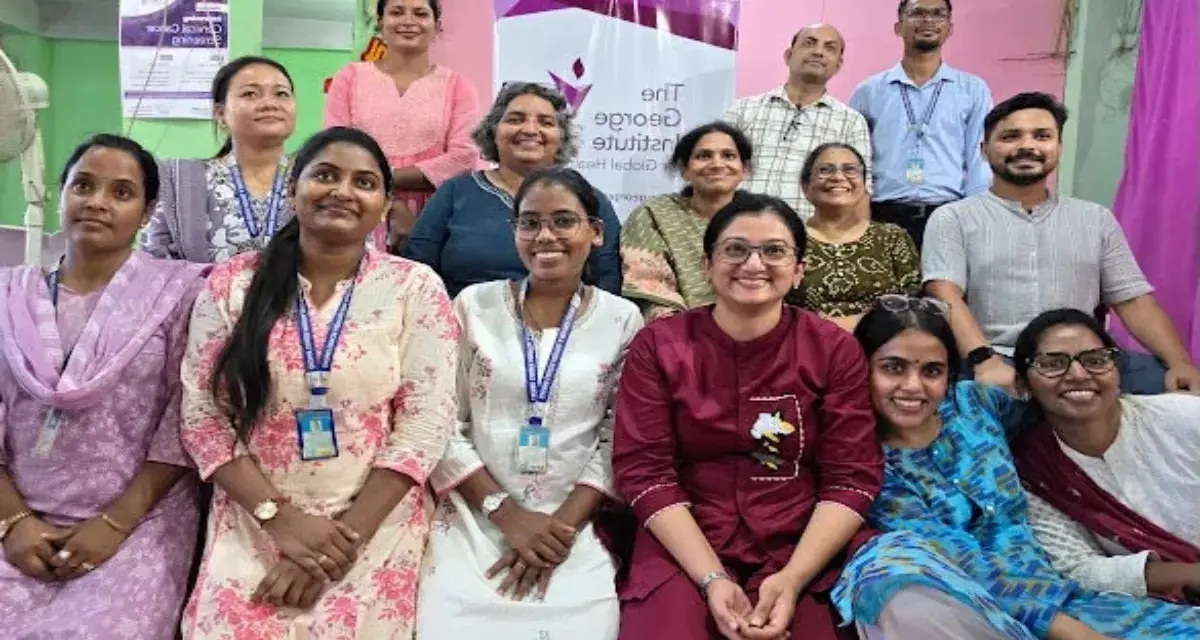
Guwahati: About 100 Accredited Social Health Activists met in Silchar to build a new AI-enabled tool. They want better tech for cervical cancer screening. The workshop, led by The George Institute for Global Health India and Cachar Cancer Hospital and Research Centre, brought together doctors, researchers, and field staff. It aims to bridge the gap between clinical data and real-world concerns.
The team sorted through 155 common questions about the disease. Using a bindi-based voting system, they picked the queries they hear most often from rural families. Experts will now bake these answers into a multilingual voice chatbot. They plan to support Bangla and use simple, conversational language. Younger workers adapt quickly to phones, but older staff need more help. Training tools will include quizzes, audio-visual lessons, and search functions.
Anita Gadgil, the project’s principal investigator, said, "This workshop starts with a simple principle: technology for ASHAs should be designed with ASHAs." She believes their field experience must define how the AI functions. This project is a three-year pilot funded by the Indian Council of Medical Research. It runs from November 2025 until November 2028.
Developers will eventually roll out the tool to 110 workers across 20 clusters. They will run a randomized controlled trial to measure success. The chatbot will offer real-time support during home visits, but it stays secondary to clinical care. It will not replace professional diagnosis. Instead, it strengthens the reach of existing health networks.
Updated at 25th September 2026 at 5:50pm
The data from the bindi exercise highlights a stark reality: the questions that keep rural families up at night often differ from what clinicians prioritize as medically essential. Project leads intend to bridge this divide by weaving these practical, grassroots concerns into the chatbot architecture, ensuring the AI addresses the actual queries ASHAs face at the doorstep.
During the design phase, participants mapped their entire workday. They identified specific bottlenecks where support is needed, such as explaining test results, managing referrals, and handling sensitive conversations about pregnancy and childbirth. The team plans to incorporate progress tracking, reminders, and features that allow workers to query the system using the same conversational patterns they use in the field.
Dr. Anita Gadgil noted the project aims to integrate into existing workflows without creating extra digital baggage for the staff. The researchers are now preparing to put the platform through rigorous clinical review and multiple rounds of testing with the workers before the rollout. The upcoming trial will measure more than just adoption rates, tracking actual shifts in the knowledge, attitudes, and practices of the ASHAs as they put the tool into practice.







Comments