 Photo Courtesy: nenow
Guwahati: The Assam government has implemented new excise regulations to protect the manufacturing rights of traditional alcoholic beverages. Under the Assam Excise (Amendment) Rules, 2026, only indigenous and tribal communities can produce their specific heritage drinks, preventing commercial entities from exploiting these cultural products.
Chief Minister Himanta Biswa Sarma explained that the policy aims to safeguard the identity of drinks like xaj, rohi, and laupani. During an announcement following a Cabinet meeting, he stated, "Some commercial companies have started manufacturing and selling traditional heritage alcoholic beverages made by Assam's indigenous groups, such as xaj and rohi. We have decided that such business can be carried out only by the respective indigenous communities."
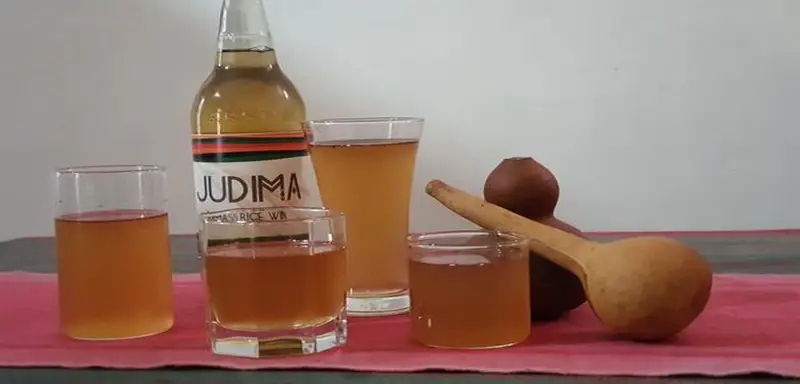
The government intends to maintain the integrity of these beverages by ensuring they are produced only by the groups that created them. For instance, the Dimasa community's traditional brew, judima, must remain within its unique cultural context to prevent the degradation of its original character. According to the new rules, these beverages are defined as drinks made from fermented grains or fruits using traditional starter cakes, with an alcohol content limited to 12 percent by volume.
To support local producers, the state has reduced licensing fees. The application cost for a heritage liquor micro-manufactory dropped to 15,000 rupees from 25,000 rupees, while retail vend fees decreased significantly to 500 rupees. Micro-manufactories are now capped at a daily production limit of 1,000 litres. Additionally, the amendment establishes a new category called Assam Made Liquor, which carries a specific alcohol strength and requires higher licensing fees for manufacturing and sales.






Comments