 Photo Courtesy: India Today Group
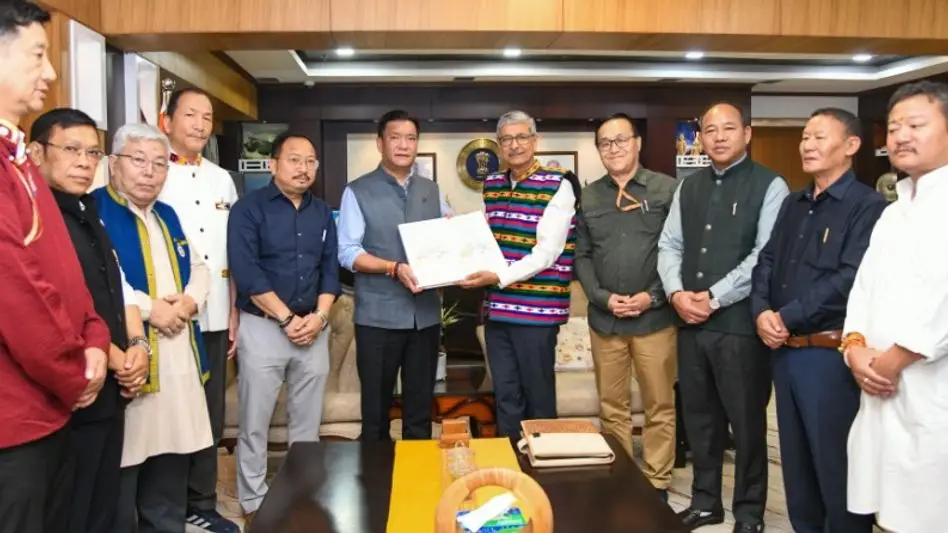
Itanagar: A government committee has submitted formal recommendations to implement the Arunachal Pradesh Freedom of Religion Act, 1978, nearly five decades after the law was passed. The legislation prohibits religious conversions achieved through fraud, force, or inducement but has remained largely dormant due to a lack of defined implementation rules.
The push to finalize these regulations follows explicit directives from the Gauhati High Court. A committee led by retired Justice Brojendra Prasad Katakey conducted extensive stakeholder consultations to prepare the report, which was delivered to the state government on Monday.
Chief Minister Pema Khandu expressed gratitude to the team responsible for finalizing the framework. "I thank Justice (Retd.) Brojendra Prasad Katakey and all committee members for their commitment and dedication in completing this important task," Khandu stated on social media. The Chief Minister also recognized the support of state ministers Mama Natung, Balo Raja, and Kento Jini throughout the process.
The Indigenous Faith and Cultural Society of Arunachal Pradesh has welcomed the report. The group is now urging the government to move quickly to notify the rules and bring the act into full effect. The organization noted it will monitor the situation closely to ensure compliance with the court's requirements and warned that any attempts to obstruct the notification process would be counterproductive to the democratic process.





Comments