 Photo Courtesy: nenow
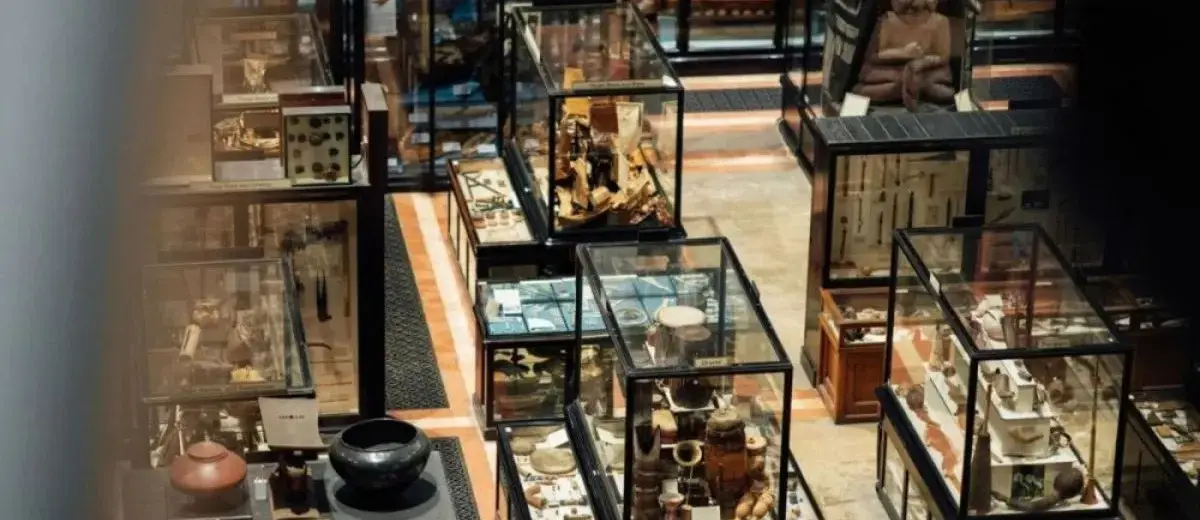
Kohima: Oxford University is shipping 39 sets of Naga human remains back to Nagaland. The university governing council approved the move on July 13. The Pitt Rivers Museum currently houses these remains. It holds roughly 8,000 Naga items, including 178 objects containing human hair. The museum pulled all human remains from public display in 2020.
Negotiations began six years ago. The university refused one additional set of remains. Officials cited a lack of evidence regarding its Naga origin. A delegation of tribal leaders and members of the Forum for Naga Reconciliation (FNR) visited the museum in June 2025. They signed the Naga Oxford Declaration on Repatriation on June 13. The team plans to travel to the museum this November to collect the items.
The effort involves the FNR, Naga Tribe Hohos, and the Recover, Restore and Decolonise (RRaD) research initiative. Academics Dolly Kikon and Arkotong Longkumer lead RRaD. They worked with church groups, students, and elders to build local support. These remains were taken as colonial trophies. They were often traded or studied without consent.
Prof Laura Van Broekhoven, Director of the Pitt Rivers Museum, addressed the process in a letter to Rev Dr Wati Aier. She said, “We hope we can now commence the work — together with the Forum for Naga Reconciliation, the Naga Tribe Hohos, and with the support of the Recover, Restore and Decolonise team — towards the bringing home of the Naga ancestors to their homeland.”
The return represents a push for justice. The Naga delegation plans to build a monument of peace in Nagaland to mark the homecoming. The project is part of a global shift. Indigenous communities are reclaiming cultural artifacts and remains held by Western institutions.
Updated at 6th September 2026 at 1:48am
The effort grew from an initial outreach campaign that began in 2020 after the museum director contacted the Forum for Naga Reconciliation. The initiative expanded into the September Dialogue series, a recurring platform for community discourse on trauma and decolonization. During the most recent dialogue in Dimapur, leaders clarified that the repatriated remains will be interred together at a shared burial site in Kohima, rather than being returned to individual villages. Tribal representatives noted that publicizing specific village origins could reignite old feuds, so they chose a unified burial to promote peace.
Logistical preparations are moving forward for the November return. Since the shipment exceeds passenger flight weight limits, organizers are negotiating to air-freight the remains to Guwahati, followed by transit clearances from New Delhi. While the Pitt Rivers Museum holds over 6,000 other Naga artifacts, the current agreement is limited strictly to the 39 sets of human remains. Organizers stated that reclaiming the remaining collection is not their current focus, as they intend to regroup and evaluate next steps after the ancestors are laid to rest.
Updated at 6th September 2026 at 1:49pm
Naga leaders confirmed the remains will be laid to rest together at a shared burial site in Kohima. The decision avoids publicizing specific village origins to prevent the flare-up of historical feuds, opting instead for a unified site to signal peace. State government officials are currently reviewing the proposed land for the memorial.
Transporting the remains requires complex logistics. Because the cargo exceeds standard passenger flight limits, organizers are hammering out a deal to air-freight the items directly to Guwahati. From there, the team expects to handle transit clearances through New Delhi before the final leg of the journey.
While Phom community members identified 24 of the 39 skulls through oral history, they emphasized that the repatriation is not a religious debate over Christian versus traditional rites. Leaders intend to honor the remains with dignity that respects community beliefs without stalling the process in theological gridlock.
Updated at 6th September 2026 at 10:06pm
Leaders confirmed that this move aims to reverse the colonial legacy of divide and rule. While oral histories have allowed the Phom community to identify the origin of 24 skulls, they will remain part of the collective burial to avoid reigniting historical inter-village blood feuds. The decision to inter the ancestors together serves as a deliberate act of unity for the Naga people.
During a September 5 dialogue in Dimapur, speakers addressed the scope of the project. Researchers clarified that the repatriation is limited to human remains, leaving over 6,000 ethnographic objects in the UK to represent Naga heritage abroad. Community leaders also dismissed rumors regarding the use of public funds or the revival of ancient animistic rites, stating the goal is strictly to provide a dignified rest for their kin.
The effort has already sparked unexpected cultural renewals. After researchers identified a traditional shawl in the museum archives that had been lost to local memory, women from Yhongshei village successfully revived the craft. As the November deadline approaches, organizers continue to work with central authorities in New Delhi to coordinate transit logistics, aiming to fly the remains directly to Guwahati to bypass the complications of road transport.


Comments