 Photo Courtesy: nagalandpost
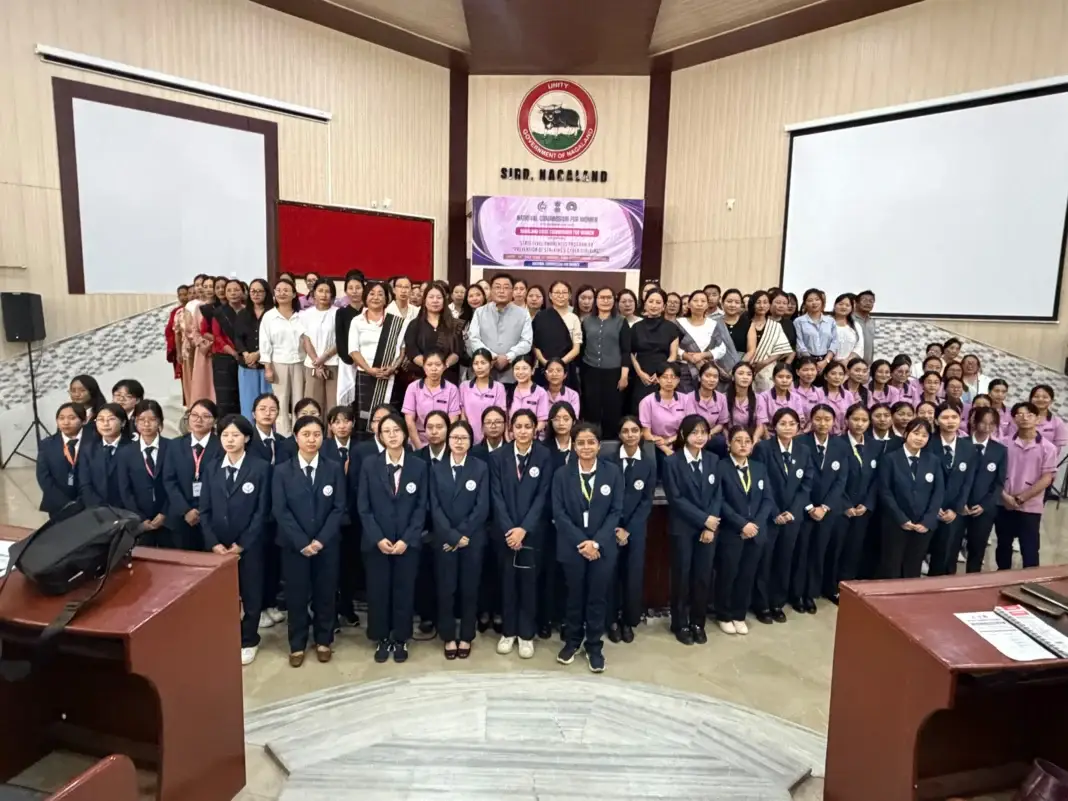
Kohima: Nagaland State Human Rights Commission Chairman Justice Lanusungkum Jamir demanded tougher legal reforms on July 15. He addressed a state level awareness programme in Kohima regarding the prevention of physical and cyber stalking. The event took place at the SIRD Auditorium, hosted by the National Commission for Women and the Nagaland State Commission for Women.
Justice Jamir identified stalking as a severe violation of human dignity. He criticized Section 78 of the Bharatiya Nyaya Sanhita for classifying the crime as bailable for first offenders. He also noted the law defines the offender as a man. Justice Jamir argued that the law must become gender neutral to address modern digital reality. He said, "No means no," while urging society to stop equating persistent harassment with affection.
Digital threats are growing. Stalking now includes identity theft, unauthorized location tracking, and the use of spyware. NSCW Chairperson W. Nginyeih Konyak warned that smartphones bring invisible dangers into homes. She pointed to a specific case in Kohima where a college student faced extortion through AI-generated morphed images. The victim suffered severe depression and withdrew from her education.
Nagaland reports only 56 cases of crimes against women, the lowest in the nation according to the National Crime Records Bureau. However, officials fear these numbers mask an emerging digital crisis. Konyak called these offences "modern plagues." She demanded better cyber forensic infrastructure and wider adoption of the federal Cyber Crime Prevention against Women and Children scheme.
Victims must act fast. Justice Jamir advised targets to preserve evidence, block harassers, and avoid responding to threats. Both speakers urged educational institutions to build confidential reporting systems. They also emphasized that society must stop blaming victims and instead focus on holding perpetrators accountable through existing frameworks like the Information Technology Act.



Comments