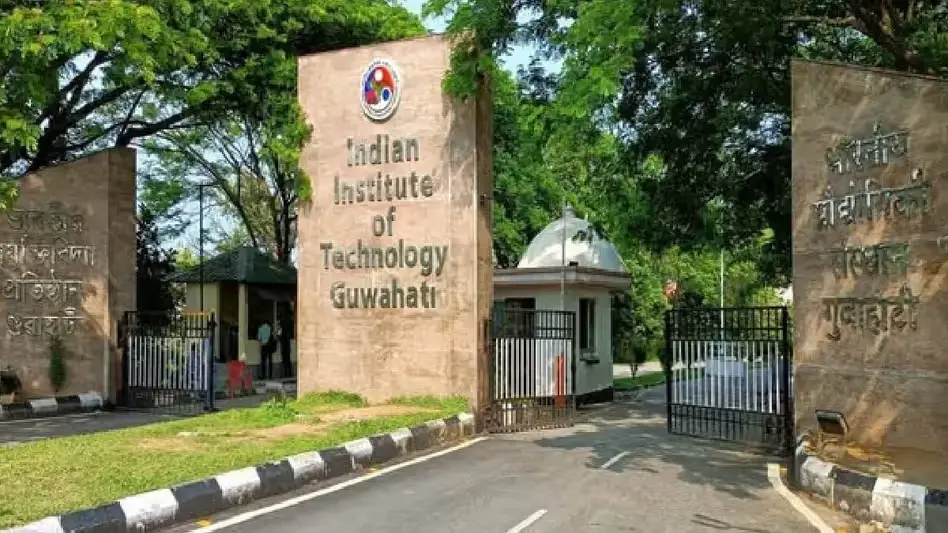
 Photo Courtesy: India Today Group
Guwahati: Researchers at the Indian Institute of Technology Guwahati have uncovered the mechanics of how plants shift their internal plumbing to survive dry spells. The study, published in the journal Applied Physics Reviews, moves past outdated models that viewed plant water vessels as simple, rigid pipes.
Professor Pranab Kumar Mondal led the team from the Department of Mechanical Engineering. They tracked Indian mustard stems using advanced imaging, force measurements, and chemical markers. The team built high-fidelity 3D simulations from these data points. “These measurements were used to build realistic 3D models. These models showed how plants reorient their xylem to optimise water transport during drought,” Mondal said.
Drought forces xylem tubes to narrow. The microscopic pits connecting these tubes also shrink. This physical change increases resistance to fluid flow. It effectively slows water movement up the stem, which limits how much moisture the leaves lose through transpiration. The plant fights back. Water travels sideways through the pits to keep the system balanced and prevent the entire network from collapsing.
These findings provide a blueprint for creating drought-tolerant crops. Better water efficiency could protect harvests in regions facing frequent shortages. The work offers a new way to sustain agricultural productivity as climate conditions shift.






Comments