
 Photo Courtesy: nenow
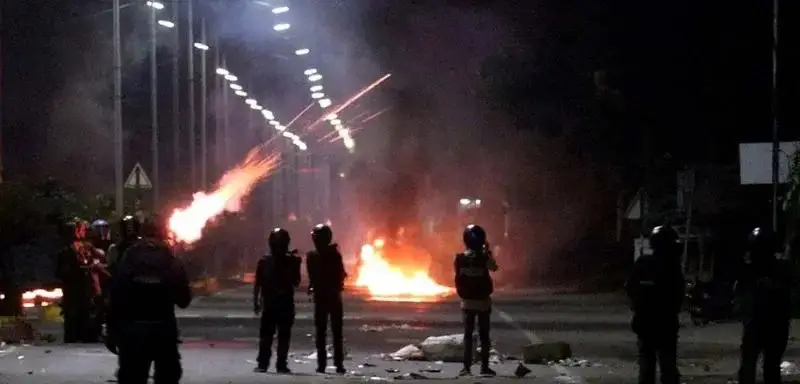
Imphal: Militants fired an explosive projectile into a home in Tronglaobi, Bishnupur district. The blast killed a four-year-old boy and his five-month-old sister. Their mother remains in critical condition. This carnage shattered claims that Manipur is finally seeing stability after the end of President’s Rule.
Violence in the state has spiraled since 2023. The conflict started as a debate over Scheduled Tribe status for the Meitei people. It morphed into a cycle of fighting driven by territorial gripes and identity politics. Now, the lines between civilians and combatants are gone. Death tolls climb into the hundreds. Tens of thousands languish in relief camps, unable to return home.
New fault lines are forming. Fighting between Naga and Kuki-Zo groups in Kangpokpi shows the conflict is moving beyond the original Kuki-Zo and Meitei divide. Other groups, including the Meitei Pangals, feel ignored by the state government. Chief Minister Yumnam Khemchand Singh held a direct Meitei-Kuki meeting on March 21, 2026, but the bloodshed continues unabated.
Current state tactics are failing. Authorities rely on curfews, internet blackouts, and heavy military presence. These measures provide no long-term fix. Experts argue the government must stop focusing on short-term reaction. They need to start building real, lasting structures for peace. Authors Daryl Elijah and Karamala Areesh Kumar suggest that "the immediate need of the hour is to establish a structured, time-bound peace process that does not assume voluntary participation from all stakeholders."
A better strategy requires more than just more guns. The state should move toward incremental agreements on safe movement and aid delivery. Officials need to involve community leaders and church networks to regain trust. Security is not the same as stability. Without a fundamental change in approach, the fire in Manipur will keep burning.


Comments