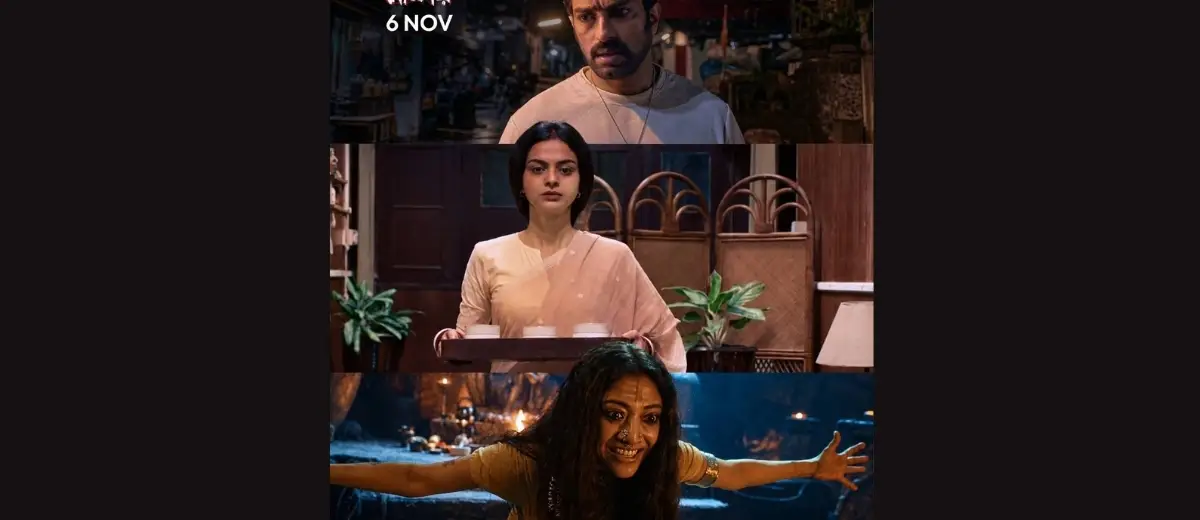
 Photo Courtesy: nenow
Guwahati: Director Sayantan Ghosal released the supernatural thriller Kauriburi: The Cursed Temple in November 2026. The series currently streams on Hoichoi in Bengali and is available in various dubbed Indian languages on Netflix. It follows Bhabataran, an astrologer with psychic gifts tasked with saving his ex-lover from a dark curse.
Bhabataran treks into the forests of Upper Assam. He discovers an ancient temple, a hidden occult group, and a ritual sacrifice for a hungry deity. The plot hinges on the Golok Pushpo, a rare flower said to shift human fate. He also uncovers the history of the Patargoyyas, a clan from the indigenous Deori community that vanished 250 years ago. The Deori people actually consist of four clans: Bo-geenya, Dibongia, Tengaponiya, and the Pator-goya.
The show leans hard into atmospheric horror. It paints the Tinsukia region as a foggy, dangerous void. Critics argue the show leans too heavily on tired cliches. It casts the Northeast as a center for occult activity and blood-soaked rituals. The production treats indigenous lore as mere set dressing for a mystery. Scholars worry the show distorts history for entertainment value. One critique states, "Reducing such a complex heritage to an occult mystery risks creating misconceptions among audiences unfamiliar with Assam."
The series misses a chance to highlight real ecological and cultural depth. Instead, it uses the region to hide magical objects and threats. Style often trumps substance here. The project remains a surface-level dive into a rich history.







Comments