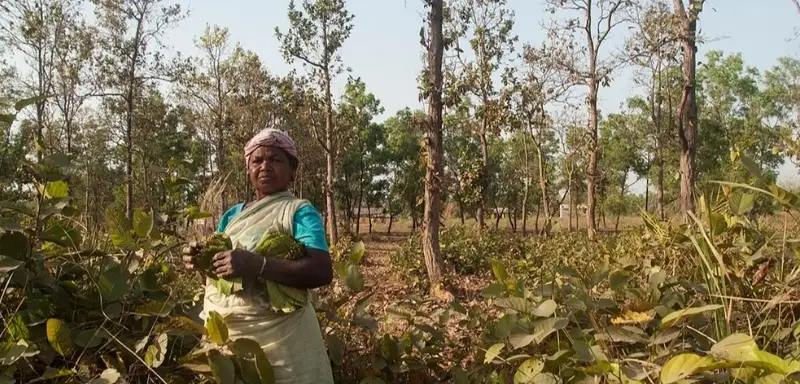
 Photo Courtesy: nenow
Agartala: A new conservation initiative is set to launch in Uttarakhand, Nagaland, and Tripura to support community-managed forests. The project, titled CONSERVE, is funded by a $12.38 million grant from the Global Environment Facility and a $30 million loan from the World Bank. The National Biodiversity Authority will oversee the effort, which seeks to provide local communities with legal recognition and incentives for their long-standing conservation work.
The project will focus on 5,000 hectares of forest, including sacred groves and government buffer zones. Organizers plan to work directly with over 25,000 people, with a goal of ensuring that at least half are women. Benjamin Singer, a senior biodiversity specialist at the Global Environment Facility, emphasized the importance of this inclusive approach. “Community-managed forests have to be safeguarded. Communities around the world are doing it and have always done it. We want to design this better in full consultation with the communities themselves. And we want to give them an incentive to do what they are doing.”
Beyond site management, the project addresses the exploitation of traditional knowledge by commercial entities. It aims to strengthen the Access and Benefit Sharing mechanism to ensure local groups receive compensation for the use of their herbs and resources in medicine and cosmetics. The initiative also intends to create a national biodiversity map by integrating existing botanical and wildlife databases, which could eventually inform future infrastructure planning.
While the project anticipates capturing 12 million metric tonnes of carbon dioxide equivalent over two decades, it has faced criticism from its own review committee for lacking a detailed strategy on climate change adaptation. The review noted that the plan fails to adequately address how rising temperatures and increased wildfire risks might impact the targeted regions.







Comments