 Photo Courtesy: nenow
Guwahati: Raijor Dal MLA Akhil Gogoi pressed the Assam government for transparent relief and long-term flood solutions on July 31. Speaking in Sivasagar, Gogoi demanded compensation for households hit by the latest disaster. He urged officials to ramp up rescue efforts. The legislator insisted the state must adopt permanent measures to protect vulnerable communities from recurring devastation.
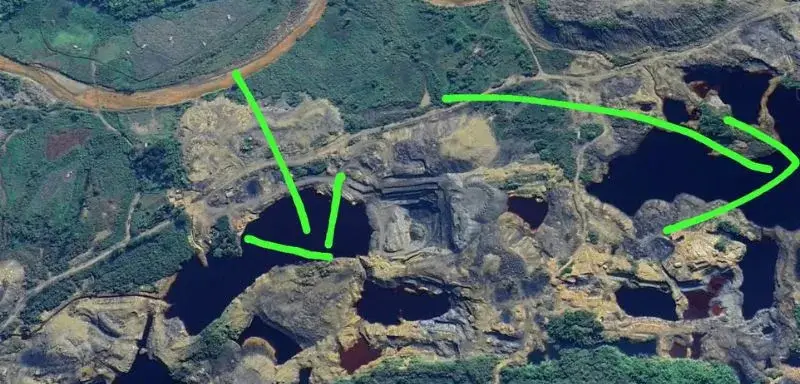
On the same day, the Assam Pradesh Congress Committee released a report detailing widespread illegal coal, sand, and stone mining. Spokesperson Reetam Singh claimed these operations continue unabated in Tinsukia, Dima Hasao, Kamrup, Karbi Anglong, Sonitpur, Sivasagar, Jorhat, Charaideo, Golaghat, Cachar, Karimganj, Hailakandi, Udalguri, Baksa, Barpeta, Dhubri, and Goalpara. The report highlights systemic enforcement failures despite bans from the Supreme Court, the National Green Tribunal, and the Gauhati High Court.
The document points to the January 2025 Umrangso mining tragedy as a case study in regulatory collapse. Nine miners died after becoming trapped in a 300-foot-deep rat-hole coal mine. The Gauhati High Court launched PIL No. 2/2025 following the disaster. Local groups claim roughly 220 illegal mines operate in that area alone. The report states, "The incident as a stark reminder of the dangers associated with the banned rat-hole mining method."
Illegal sand extraction along the Brahmaputra, Barak, Bhogdoi, Dhansiri, Disang, and Morabharali rivers is reportedly fueling erosion and worsening flood risks. Mining near Chandubi Lake and the Dehing Patkai National Park continues to threaten Gangetic river dolphins and local ecosystems. While the report acknowledges mining supports vulnerable livelihoods, it alleges that child and bonded labor persist. The Congress findings suggest that while India holds a legal framework to govern extraction, weak enforcement remains the principal hurdle. The party recommends using drone surveillance and legislative reform to secure accountability.



Comments