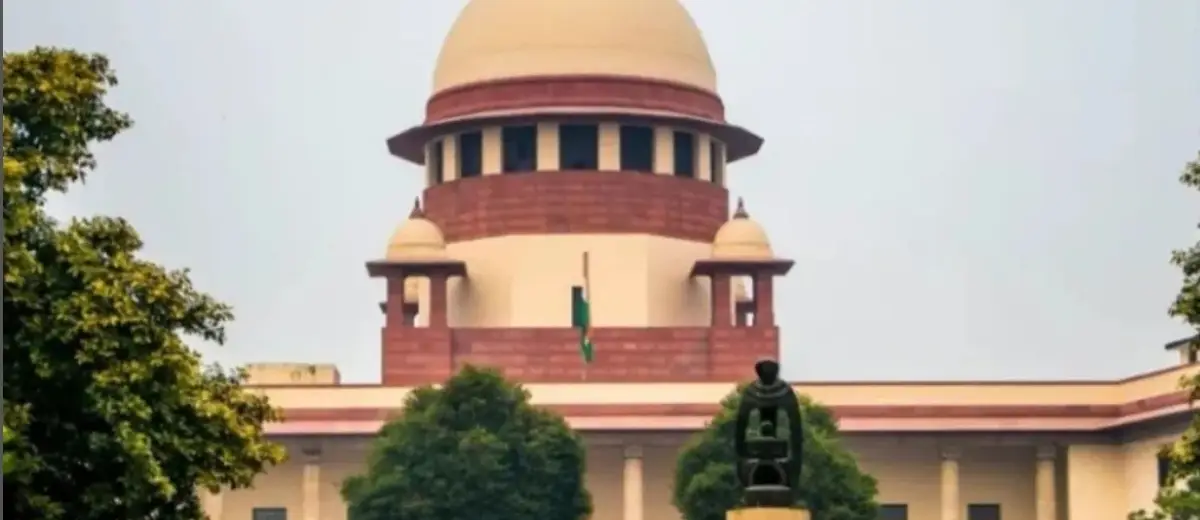
 Photo Courtesy: nenow
Guwahati: The Supreme Court rejected a public interest litigation demanding stricter flood and erosion control in Assam and the Brahmaputra Valley on Monday. Chief Justice of India Surya Kant led the Bench that refused to hear the case brought by advocate Ujjawal Gaur. The court ordered its registry to send the petition directly to the relevant authorities for review.
Gaur argued that administrative failure caused the recurring destruction, not inevitable natural disasters. He cited the Brahmaputra Board Act of 1980, the Assam Embankment and Drainage Act of 1953, and the River Boards Act of 1956 as proof that existing laws should have prevented the current crisis. The petition pointed to drainage congestion, sedimentation, and encroached channels as primary factors worsening flood conditions.
The Bench noted that the issues raised deserve attention but remain outside the scope of judicial intervention. The court stated the matter was "not essentially legal" in nature. The plea also leaned on findings from the Comptroller and Auditor General of India, specifically Report No. 5 of 2018, which documented failures in flood-control planning and project monitoring.
While the court declined to issue formal notices, the referral forces government agencies to confront the documented shortcomings. Authorities must now examine the proposed high-level expert mechanism and the failures noted in previous audits to determine their next steps.





Comments