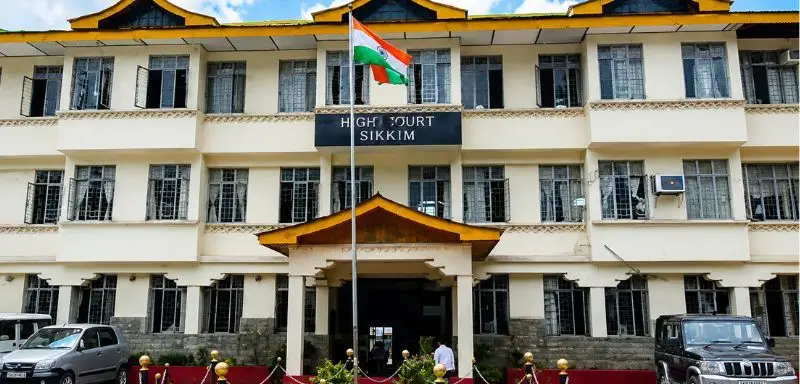
 Photo Courtesy: nenow
Gangtok: The Sikkim High Court has admitted a public interest petition challenging the current Special Intensive Revision of voter lists across the state. The case, brought forward by the Sikkimese Moolniwasi Suraksha Sangh, is scheduled for a formal hearing on June 11.
The organization clarified that it does not intend to stop the revision project. Instead, the group is calling for a more rigorous and transparent implementation of the process. A central demand involves reconsidering the specific year used as a benchmark for determining voter eligibility.
Representatives argue that the integrity of this process is vital for the state due to the unique constitutional protections granted under Article 371F. The group believes a precise revision is essential to safeguard the demographic and political interests of the local indigenous population. The organization stated that it is seeking to ensure the process is implemented "rigorously and transparently."
Chief Electoral Officer Raj Kumar Yadav launched the initiative on May 30 following directives from the Election Commission of India. Booth Level Officers are currently visiting households throughout the state to manage the distribution and collection of voter enumeration forms. The upcoming court hearing remains a point of significant interest for stakeholders throughout Sikkim as the state monitors the impact on its electoral rolls.




Comments