Shillong: Meghalaya officials are launching the Intensified IEC Campaign 3.0 this Wednesday to combat the state's high HIV and STI burden. The two-month effort kicks off at Lady Keane College to mark International Youth Day, featuring Health and Family Welfare Minister Wailadmiki Shylla as the guest of honor.
State data from November 2025 shows over 10,000 residents, including 500 children, are living with HIV. East Jaintia Hills remains a major hotspot. The state's adult HIV prevalence sits well above the national average.
Authorities aim to break social barriers through rallies, roadshows, and door-to-door outreach. They are targeting students, pregnant women, and vulnerable groups. The campaign will also utilize folk performances, flash mobs, and digital media to spread information.
A senior official stated, "The campaign comes amid concerns over the continuing HIV burden in the state and the social barriers that often discourage people from undergoing testing or seeking treatment."
Health workers will highlight the link between substance use and transmission while pushing for early diagnosis. The state is promoting the National AIDS Helpline 1097 and an online risk assessment tool. This initiative builds on previous community-based work in the Jaintia Hills to foster support for those affected.
Updated at 12th August 2026 at 10:01am
Health officials report a worrying surge in the state with 574 new HIV cases detected in the first quarter of this year. Data from the Meghalaya AIDS Control Society shows 16 pregnant women are among the newly infected. Transmission is largely driven by unsafe sex, with 52 percent of cases tied to casual partners and 32 percent involving regular spouses or partners. Injecting drug use accounts for nine percent of infections, while transmission from mother to child makes up 2.5 percent. Notably, transmission through blood products has hit zero due to tighter screening.
MACS Project Director Dr. KL Iawbor warned that social stigma remains rampant, even in hospitals and marketplaces. She cited cases where businesses lost customers simply because an owner was HIV-positive. The campaign aims to combat this by pushing awareness of the HIV and AIDS (Prevention and Control) Act, 2017, which guarantees rights to patients and outlaws discrimination in schools, jobs, and healthcare. Dr. Iawbor stated, The fight against HIV is not only about treatment and prevention. It is also about ensuring dignity, confidentiality and equal rights for people living with HIV.
To hit these goals, the state has set concrete outreach targets: reaching 126 villages, holding sessions in 3,000 schools and 85 colleges, and knocking on 15,000 doors. The plan includes 16 special health camps and the placement of QR codes at markets and public venues to link residents to services. Authorities are involving district commissioners and local village leaders to drive the project across all 12 districts.
Updated at 12th August 2026 at 9:53pm
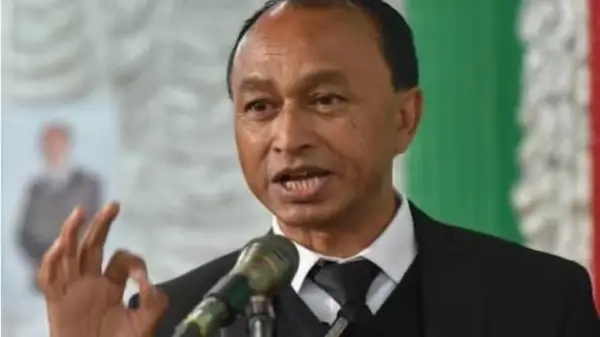
Health Minister Wailadmiki Shylla confirmed the government has cleared a five-year plan to sharpen the state response. He tasked students and Red Ribbon Clubs with leading peer-to-peer education, noting that roughly 51 percent of the state population is under 20 years old.
Officials flagged that 4 percent of recent infections stem from commercial sex exposure. To reach the grassroots, the campaign adds 30 public performances and 30 flash mobs to the outreach schedule. MACS is coordinating this push with block development officers and community groups to ensure the message sticks in all 12 districts.
Updated at 13th August 2026 at 9:46am
The campaign identifies four specific transmission routes for the new wave of infections: unprotected sexual contact, sharing needles and syringes, mother-to-child transmission, and the transfusion of infected blood. While the state reports that transmission via blood products has dropped to zero due to improved screening, officials are now focusing on these other vectors to stabilize the situation.
Shylla stressed that the two-month outreach project is just a pilot for a broader, long-term movement. He called on civil society groups, parents, teachers, and various government departments to join the fight, arguing that the Meghalaya AIDS Control Society cannot manage the health crisis in isolation. The government intends to sustain the momentum created by the campaign as a permanent feature of its public health strategy.
Updated at 13th August 2026 at 6:15pm
The latest figures released by the Meghalaya AIDS Control Society confirm 574 new HIV infections during the first quarter of 2026. Officials identified the specific drivers behind these numbers, with casual sexual contact accounting for 52 percent of cases and regular partners or spouses linked to another 32 percent. Other transmission routes include injecting drug use at nine percent, commercial sex exposure at four percent, and mother to child transmission at 2.5 percent.
To tackle the crisis, the state is deploying resources across 126 villages, 3,000 schools, and 85 colleges. The department is also pushing a five year government approved plan to secure long term results. Dr. K L Iawbor noted that misinformation continues to fuel local stigma, making early diagnosis and access to care the top priorities for the newly launched outreach effort.






Comments