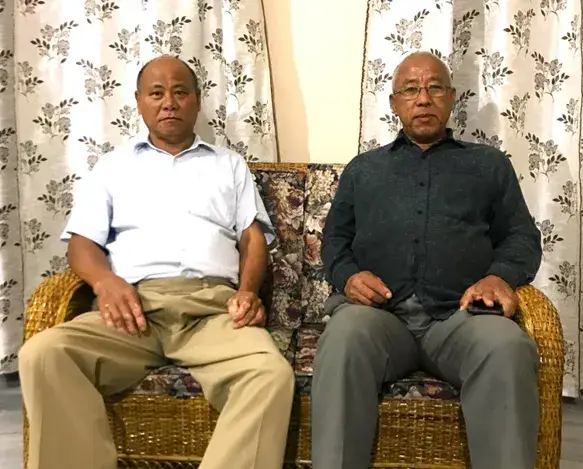
 Photo Courtesy: nagalandpost
Kohima: Kuda Village is cutting ties with municipal dumping grounds to forge its own path. The community is building a self-reliant sanitation facility in Seithekima to handle its mounting trash. This project marks a shift toward local autonomy for the village, formerly known as Nagarjan, which contains 3,000 house tax-paying households across three khels.
The village council bought 50 puras of land for Rs. 82 lakh. Residents pooled their own money to cover the cost. The site sits 25 km away along the Patkai four-lane highway. The push for independence grew after the Dimapur Municipal Council shuttered its local dump to outside users earlier this year. Waste management here has evolved since 1998, when Alhoulie Belho started the first organized collection with a simple handcart.
The current setup processes nearly 2,950 kg of trash every single day. Local innovators Er. Kelhousesi Angami and Mhiesilhouto Savino built the machines in 2020. They use a waste segregator, manual baler, mini pyrolysis unit, glass crusher, thermocol shredder, and plastic bottle cutter. The committee plans to add more tipper trucks to bolster their door-to-door pickup routine.
Er. Kelhousesi Angami said: "The committee’s earlier experience with an overloaded dumping site in Dimapur highlighted the need for recycling and scientific disposal rather than indiscriminate dumping." The council intends to turn the Seithekima site into an Integrated Resource Recovery, Agro Forestry and Eco Learning Park. It will feature fruit plantations, bamboo crops, and demonstration plots. They also plan to use Black Soldier Fly technology to turn kitchen waste into animal feed.
Chairman Ajabu Meru expects the site to open within two months. They are currently rushing to finish the approach road and get power lines hooked up. The council will fund operations through a mix of one-time development fees and recurring monthly charges. They are building a digital payment system to keep the books clean. This village-wide sanitation project carries a deadline of 2026, aiming to turn waste into a resource while setting a blueprint for the rest of Nagaland.


Comments