 Photo Courtesy: nenews
Itanagar: China claims the border situation with India is generally stable. Beijing refused to answer direct questions about recent military movements near Arunachal Pradesh on Wednesday. The state remains a point of contention. China calls the region South Tibet, but India rejects this entirely.
Foreign Ministry spokesperson Guo Jiakun addressed the issue following reports of increased activity in the Upper Subansiri area. He cited recent discussions between the Working Mechanism for Consultation and Coordination on China-India Border Affairs. Both nations agreed to maintain communication. "The China-India border situation is generally stable at the moment," Guo said.
New Delhi recently assigned standard names to 27 specific sites in Arunachal Pradesh. India insists the state is an inalienable and integral part of the country. Officials state these names cannot be changed by Chinese claims. Tensions have simmered since the 2020 Galwan Valley clashes and the long standoff in eastern Ladakh.
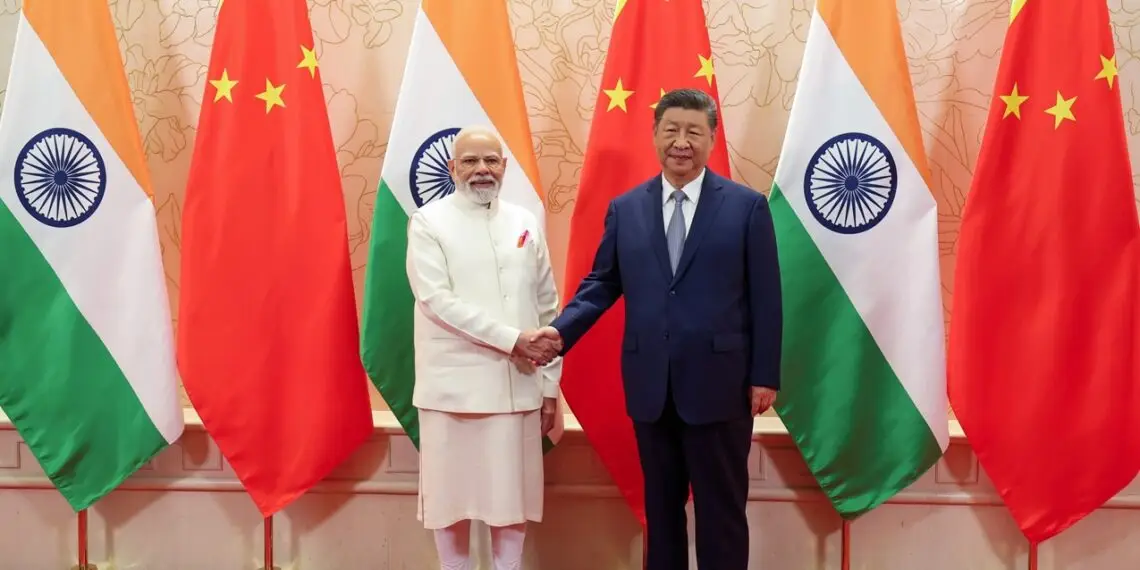
Relations show slow signs of healing. The two nations reached a disengagement deal in October 2024 for Depsang and Demchok. Prime Minister Narendra Modi and President Xi Jinping later met in Kazan to discuss bilateral improvements. They previously held talks in Tianjin during a Shanghai Cooperation Organisation summit. Boundary disputes still plague the relationship despite these high-level meetings.






Comments