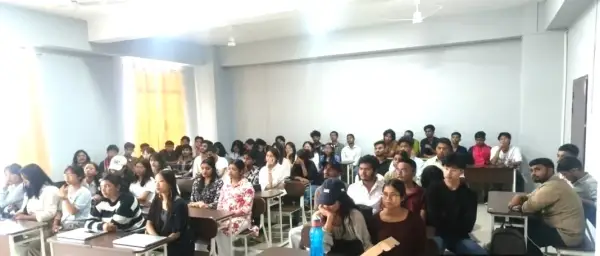
Kohima: Nagaland is failing its youth. That is the hard truth delivered by local leadership during a September 17 consultation in Niuland. Prodigals Home joined the District Child Protection Unit and local government to address a systemic silence surrounding child safety.
Deputy Commissioner TL Kiusumong Tikhir did not mince words. He noted that the state often treats these issues as taboo. Residents hide behind Christian values of forgiveness to excuse abuse. Tikhir called out this dangerous pattern: "Unfortunately, in that process, justice is denied to victims."
The law is clear, even if the public is not. POCSO and the Juvenile Justice Act define children as anyone under 18. Yet, these protections remain underutilized. The Child Helpline logs roughly 13 calls daily from Nagaland, but Tikhir insisted this is only the tip of the iceberg. Many cases disappear, swept under the rug by a society afraid to confront reality.
The event turned to practical safety guidelines led by Lozua Kape and K Sanny. Kape presented real-life cases from across the state to rattle the audience. She challenged the attendees to act as the "eyes, ears, hands and feet" of children in need. Her presentation asked one burning question: "What kind of example are we setting for the youth of Nagaland?"
Tokavi, a counselor at the local Child Helpline, led the session. Teresa Sema provided an opening prayer, while District Child Protection Officer Kughakali Achumo introduced the framework for better enforcement. The goal is a shift in values. The community must swap blind forgiveness for justice and integrity. Anything less is a crime against the state itself.


Comments