 Photo Courtesy: nagalandpost
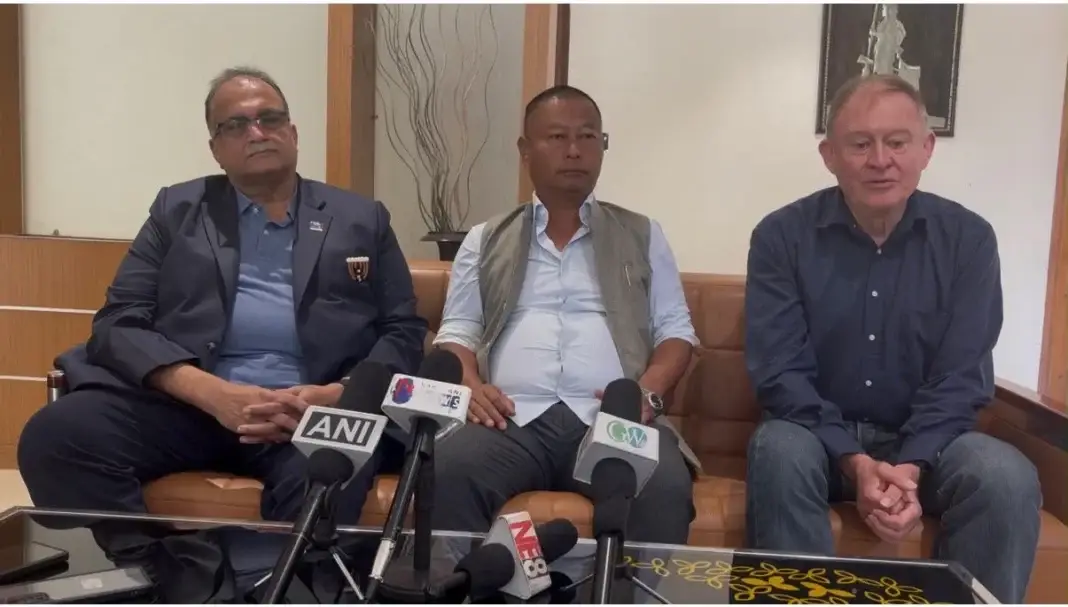
Kohima: Nagaland's Department of School Education is hunting for long-term partnerships with international groups and corporate stakeholders. Advisors hope to fix digital infrastructure, vocational training, and learning outcomes across the state. A delegation from Germany and business leaders from Mumbai arrived on October 5 to scout for opportunities. They held closed-door meetings at Hotel Vivor in Kohima.
Advisor Kekhrielhoulie Yhome wants to bypass standard state measures. He intends to use external expertise and knowledge sharing to drive real change. The team already performed a gap analysis to see which global models fit local schools. They discussed early childhood care, teacher support, and new ways to handle school financing.
Rotary Club of Queen’s Necklace president Nikunj Jhaveri pledged to connect the state with major corporate backers. He warned that the work ahead will take significant time and persistence. "This cannot be solved in one year. This is going to be a five year plan at the minimum," Jhaveri said.
The plan pulls in support from the Childaid Network. Dr. Martin Kasper confirmed the organization already works in roughly 1,500 locations. They plan to pour resources into existing government schools rather than building new ones. Kasper hopes project-based learning will help Naga youth compete for global jobs without leaving Kohima or Dimapur. The group intends to use digital platforms to reach even the most remote schools in the region.
Updated at 11th October 2026 at 1:47am
Yhome is pushing to overhaul how the department manages its cash. He is exploring blended finance models and other corporate funding structures to maximize existing resources. He also argued that upgrading public schools will lower the financial burden on parents by making reliable schooling cheaper for local families.
Accountability remains a sticking point. Addressing a meeting of school heads in Viswema, Yhome noted that the department is fighting a negative public perception of government-run institutions. He called for stricter monitoring, better facilities, and deeper community involvement to fix the broken trust in the state education system.
Childaid Network currently funnels two to three million euros annually into education. Kasper confirmed that the project aims to integrate international experience with local expertise to help students tackle 21st-century demands.


Comments