 Photo Courtesy: ukhrultimes
Shillong: Shillong is gridlocked. Residents, researchers, and street vendors met Saturday to figure out why the city remains stuck in traffic. The Meghalaya and Greater Shillong Progressive Hawkers and Street Vendors Association hosted the event. They wanted to move past the finger-pointing that usually defines the city's transport debate.
Angela Rangad of Thma U Rangli-Juki opened the talks. She urged the crowd to stop blaming hawkers for congestion. City officials moved vendors out before, but the traffic never cleared. Rangad told the group, "Why is Shillong still stuck? We are stuck in many ways whether it is healthcare, education, water, garbage, but the thing which seems to irritate people the most and is a priority is traffic."
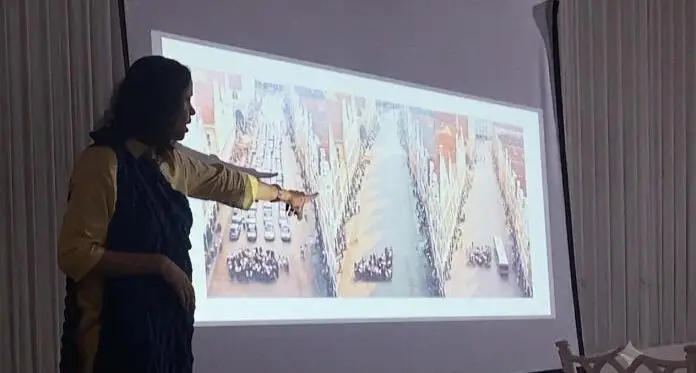
Shweta Vernekar of the group Parisar challenged the city's obsession with road widening and flyovers. She pointed to global data showing that more lanes simply attract more cars. Cities like Bangkok and Houston proved this by filling up new lanes in five years. Vernekar urged leaders to focus on moving people, not vehicles.
The Shillong Urban Mobility Policy-2024 sets a target to cut private vehicle use to 10 percent by 2030. It aims to push public and non-motorized transport to the forefront instead. Participants warned that the old Smart City Plan is likely outdated. They pushed for a new, inclusive approach that prioritizes pedestrians over private parking.
Public buses remain a major sore spot. Attendees cited poor management and unreliable schedules for the decline in ridership. Some pushed for better tech solutions, similar to Pune’s bus tracking app. Rangad questioned the local resistance to change, asking, "Why are we not thinking of making the city more walkable, more cyclable?"


Comments