 Photo Courtesy: nenow
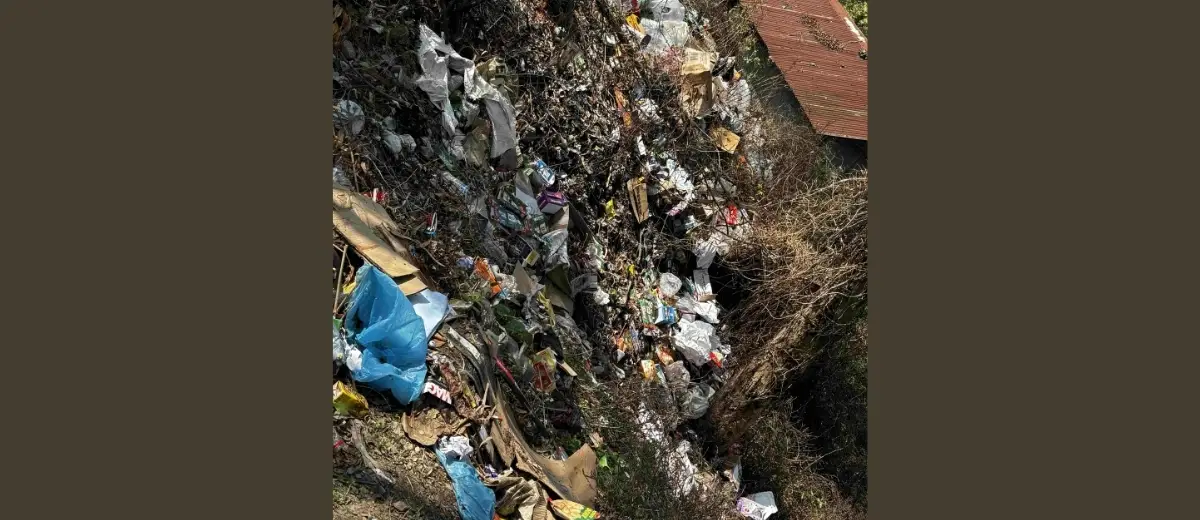
Kohima: Nagaland University researchers found that community habits control plastic waste management more than simple awareness campaigns. Data shows people follow their neighbors. Experts tracked 226 residents across Kohima, Dimapur, and Chümoukedima districts between June and December 2025.
The study utilized open-ended responses from 131 people plus 10 in-depth interviews. Findings appear in the journal Environmental and Sustainability Indicators. Prof. Prabhakar Sharma and Prof. Gyanendra Nath Tiwari co-authored the paper. The Government of India covered costs through the One Nation One Subscription initiative.
Subjective norms rank as the biggest driver of behavior. Residents act based on the expectations of those around them. Prof. Jagadish Kumar Patnaik, VC of Nagaland University, pushed for a shift in strategy. "This study highlights the important role of community norms, cultural values and collective responsibility in addressing the growing challenge of plastic waste."
Personal attitudes also influence habits. Cultural values appear linked but lack clear proof due to low measurement reliability. The team suggests working through local institutions that already command public trust. Proper infrastructure and institutional mechanisms must pair with active community participation to force real change.


Comments