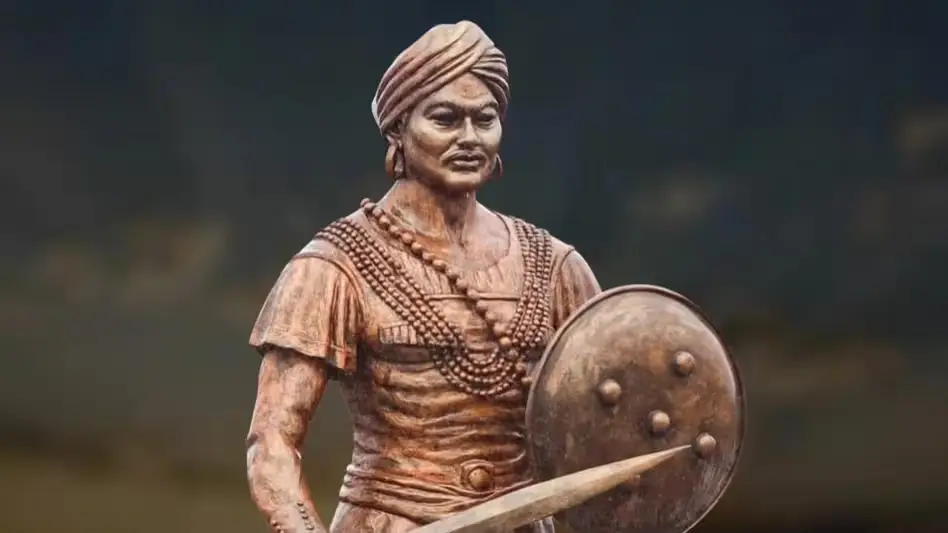
 Photo Courtesy: India Today Group
Shillong: Long before 1947, Meghalaya stood against British rule. Indigenous leaders fought colonial expansion, taxes, and interference. They used bows, arrows, and spears. They had little else.
U Tirot Sing Syiem led the Anglo-Khasi War starting in 1829. He fought to stop a British road through Khasi land. He surrendered after years of fighting. The British imprisoned him in Dhaka. He died there in 1835.
Pa Togan Nengminza Sangma rose in the Garo Hills. He led his people against the encroaching colonial forces. He died in battle. His bravery remains a symbol of defiance.
U Kiang Nangbah led a Jaintia uprising in 1862. He fought taxes and interference in local government. British troops caught him. They publicly executed him in Jowai in 1863. His legacy lives on. Local memory keeps his final defiance alive.
Resistance took many forms. It was not just about weapons. In 1899, Babu Jeebon Roy helped 16 young Khasi men start the Seng Khasi Movement. They wanted to save their language and faith. They protected their culture from colonial change.
Journalism became a tool, too. U Sib Charan Roy edited a bilingual newspaper called U Nongphira. He slammed imperial policies. The British banned his paper in 1915.
In 2020, Raj Bhavan in Shillong added portraits of these men. They honored the patriots. The government recognized their fight for land and dignity. As the state eyes the future, their grit remains a guide. The state seeks to preserve what its ancestors defended. Their sacrifice was absolute. It defined the state.




Comments