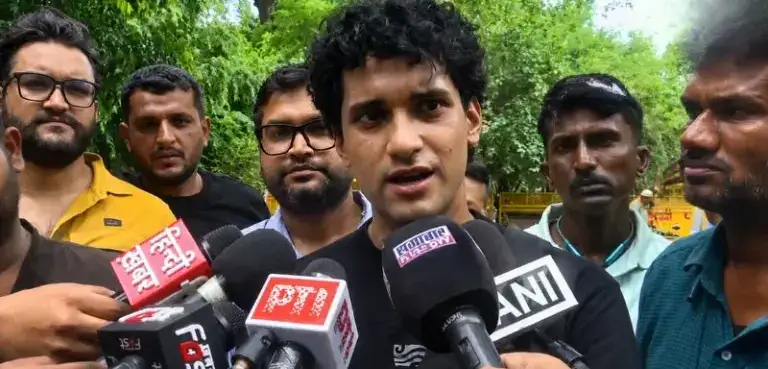
 Photo Courtesy: nenow
Guwahati: The Cockroach Janta Party is demanding the immediate release of protesters detained in Assam, West Bengal, and Bihar. Despite federal promises that no punitive action would occur, state agencies continue to target demonstrators. The party wants all FIRs against these citizens dropped by Tuesday.
Police in Assam arrested three youths from Lakhimpur on July 23. Monjur Rahman, Ashraful Islam, and Abdul Kashem face charges under Sections 61(2)(b), 353(1), and 152 of the Bharatiya Nyaya Sanhita. Authorities claim the trio used a WhatsApp group to organize a protest. Families of the men deny these claims. The father of one detainee stated, "My son was trying to organise a protest. He had not even held a demonstration yet. He only tried to organise one."
Chief Justice of India Surya Kant recently noted that citizens possess a constitutional right to peaceful protest. The Supreme Court observed that agitation does not justify police lathi-charges. The court now calls for independent examinations of police excess and uniform national protocols for handling crowds.
CJP spokesperson Saurav Das claims his party suspended nationwide protests after receiving government assurances. Das is now pushing BJP national president JP Nadda and Union Minister Jitendra Singh to honor those commitments. The party expects a written guarantee by July 28. If the government fails to act, the CJP warns of further steps to address this breach of trust.




Comments