 Photo Courtesy: India Today Group
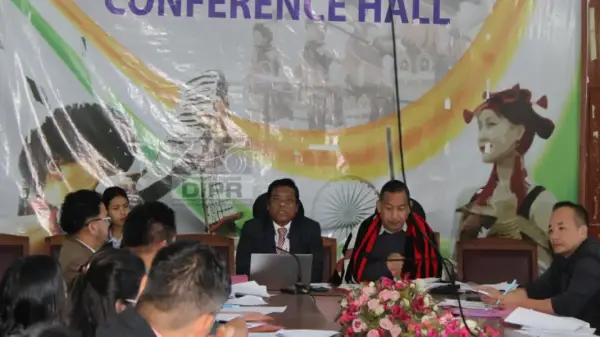
Kohima: Nagaland Social Welfare Secretary Limawabang Jamir revealed that 5.6 percent of women aged 20 to 24 married before turning 18. This data comes from the National Family Health Survey-5. Rural areas show a higher prevalence at 7.3 percent, while urban centers report 2.4 percent. Jamir flagged these numbers as a major concern during a November 27 event in Kohima for the International Day for the Elimination of Child, Early and Forced Marriage.
Teenage pregnancy remains a primary challenge for the state. Officials designated Child Marriage Prohibition Officers in all 17 districts to fight back. The state government is currently formalizing the adoption of the Prohibition of Child Marriage Act, 2006. In the meantime, the Mission Shakti Beti Bachao, Beti Padhao initiative aims to keep girls in school and stop discriminatory practices.
Social Welfare Advisor and MLA Wangpang Konyak pushed for community action. He warned against complacency regarding unregistered unions. Konyak stated, "Protecting women and girls was a fundamental human rights issue and essential for equality, justice and sustainable development." He called on churches, tribal leaders, and NGOs to join the fight.
Participants at the event proposed a 100-day awareness campaign. It runs from November 27 through March 8. The program engages village councils and civil society to stop child marriage and trafficking.



Comments